

Historically, clothing care has been viewed as purely functional — something hidden away in the laundry room. Now, the category is definitely evolving.
— We’re seeing a growing interest in garment longevity, textile knowledge, and more intentional consumption habits, says Alva Jädersten, PR & Influencer Marketing Manager at Steamery. That creates strong momentum for the category. At the same time, the industry faces a challenge: many consumers still lack basic knowledge around textile care. People invest in quality garments but often don’t know how to maintain them properly. We’re also seeing a broader cultural shift away from fast fashion and toward longevity, second-hand shopping, and wardrobe curation. That changes the role clothing care products play in people’s lives.
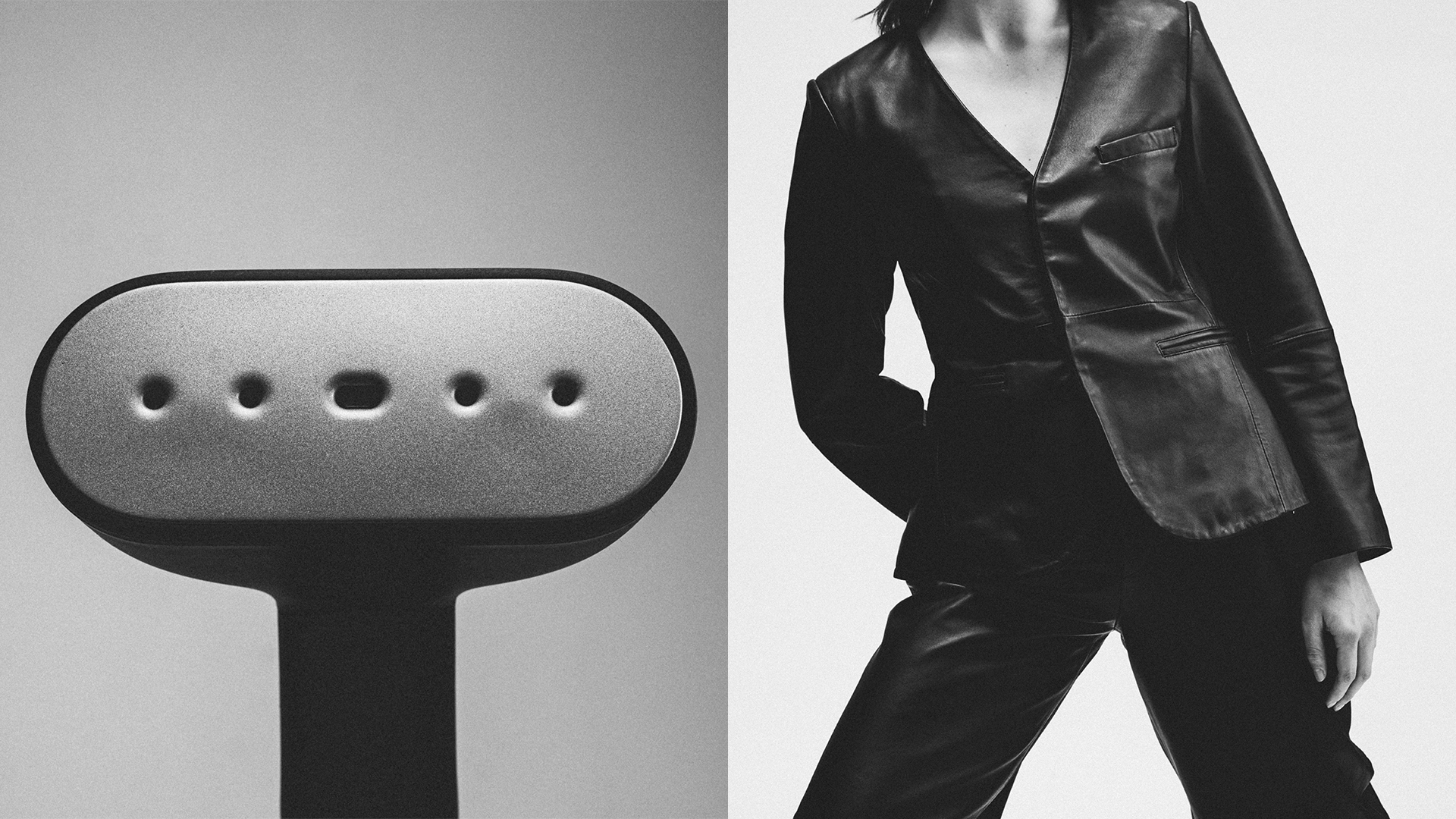
— Another important shift is that consumers increasingly expect these products to belong visually in the home. Performance still matters most, of course, but industrial-looking appliances are losing relevance in a more design-conscious domestic space.
What else are your end consumers looking for?
— Consumers today are much more conscious than they were ten years ago. People are buying fewer pieces, but thinking more carefully about quality, materials, and longevity. There’s also a growing appreciation for repair, resale, and maintaining garments over time.
— Convenience still matters, but people increasingly want tools that help them care better rather than simply consume more. We’re also seeing strong interest in products that feel intuitive and aesthetically considered — objects people don’t feel the need to hide away.
More broadly, consumers are searching for calm and intention in everyday routines. That may sound philosophical for an appliance category, but it genuinely affects how people engage with clothing care today.
One interesting shift, Jädersten notes, is that clothing care is becoming part of the circular economy conversation, not just the appliance conversation.
— Historically, sustainability discussions in fashion focused heavily on production. Now the conversation increasingly includes garment use-phase — how long clothes are actually worn, maintained and kept in circulation. That changes the opportunity landscape for brands across fashion, home, and consumer electronics.
— Consumers are also becoming more textile literate. Concepts like fabric composition, pilling, steaming versus washing, or garment longevity used to be niche knowledge. Today, especially among younger consumers, there’s a growing curiosity around these topics.
— I also think we’ll continue seeing the boundaries blur between fashion, interiors and home technology. Consumers no longer separate these worlds as clearly as companies often do.
You’re competing with several of the world’s leading electronic brands. What is that like?
— It’s definitely challenging, but also very exciting. Many of them are incredibly strong when it comes to engineering, production scale, and technical innovation. We respect that a lot. What makes us different is that we combine that performance mindset with a much deeper focus on textiles, design, and the emotional relationship people have with the things they wear. For us, clothing care products shouldn’t just function well — they should feel intuitive to use, visually belong in the home, and elevate the experience of caring for garments.
— That combination is still quite rare in the category. We approach product development from both a technical and aesthetic perspective, which allows us to create products that perform at a high level while also becoming objects people genuinely want to live with.
And also with your new steamer launch.
— Yes, Cirrus Core is our interpretation of what modern clothing care should feel like: effective, intuitive, and designed to fit naturally into everyday life. It refreshes garments with steam, helping people extend the life of the clothes they already own instead of overwashing them. We see it as part of a broader shift — from treating clothing care as maintenance to seeing it as a meaningful ritual of preservation. Good care changes how clothes look, feel, and last.
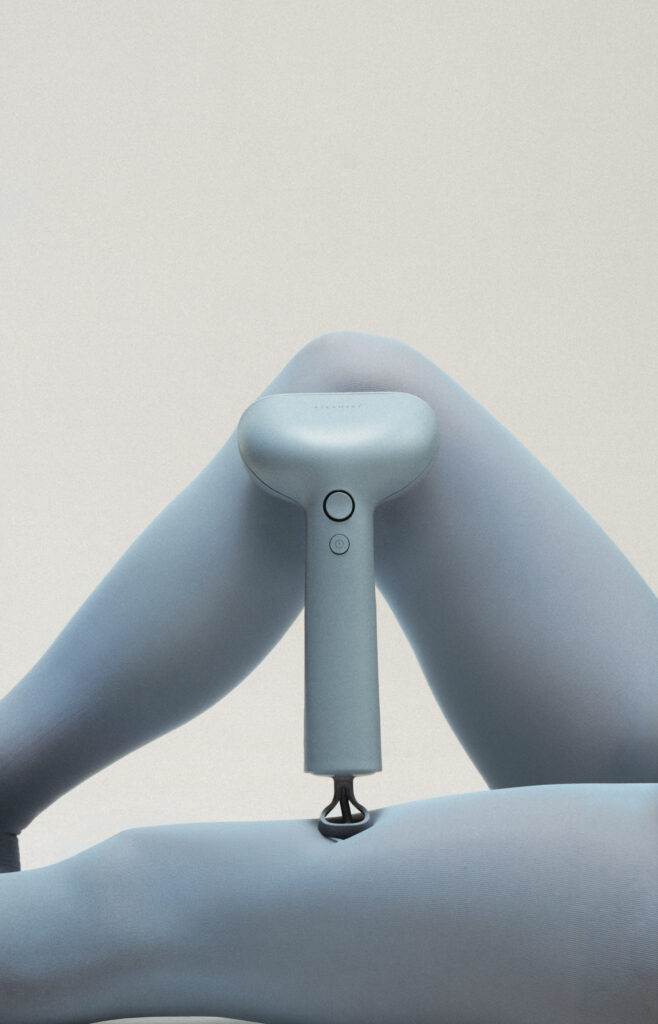
Two generations ago, most people knew how to mend, air, brush and properly maintain garments. Much of that disappeared during the rise of fast fashion.
— What’s interesting now is that those rituals are slowly returning — not through nostalgia, but because people want a more thoughtful relationship with the things they own, says Jädersten. That shift is bigger than clothing care alone. It says something about how people want to live.