

The industry is navigating geopolitical uncertainty, evolving trade policies, pressure on margins, and a challenging global economic environment.
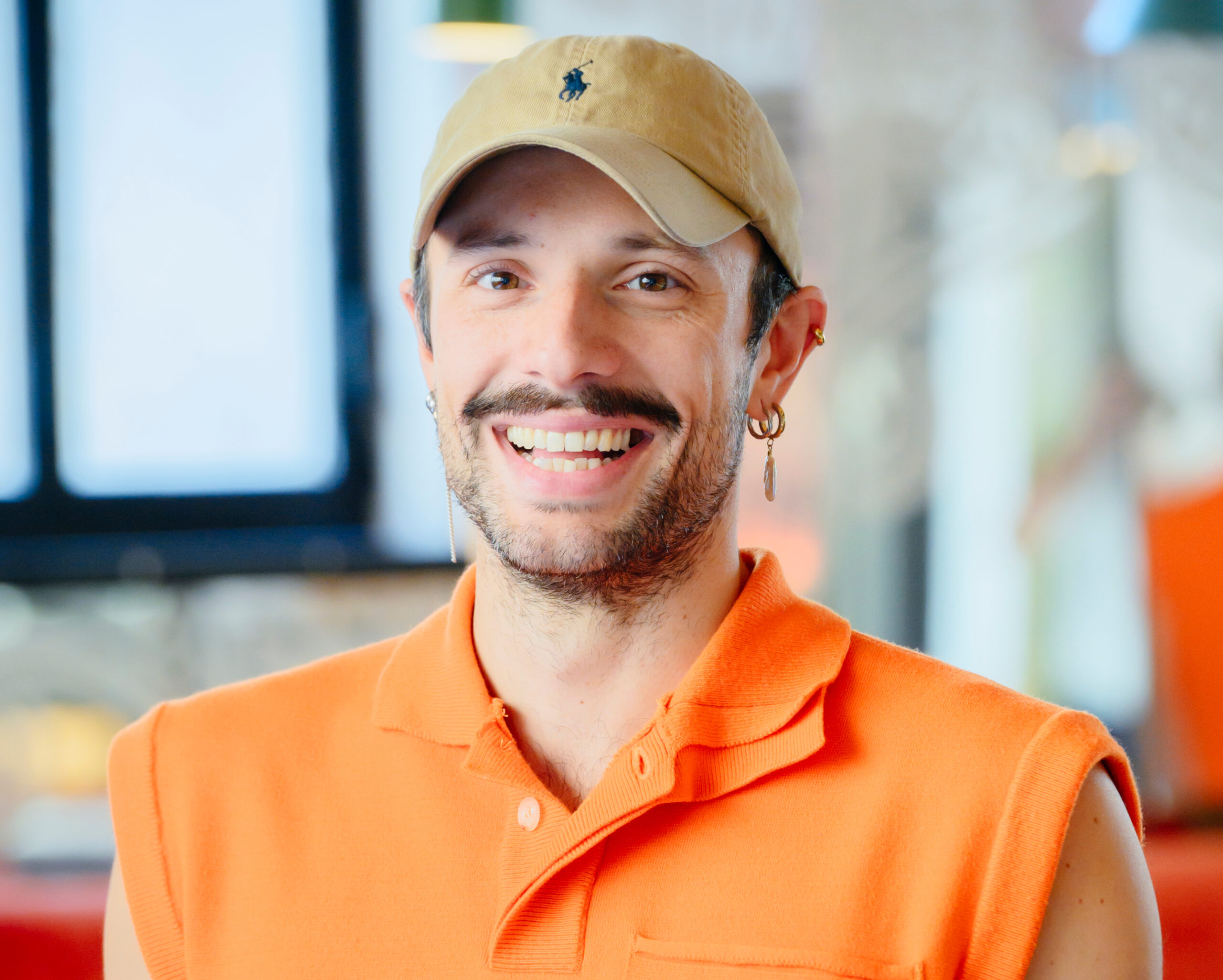
— These structural issues have not disappeared, and companies continue to operate with a high degree of caution, says Yann-Brieuc Chevallier, Head of PR, Première Vision and the Fashion Division of GL events.
— That said, there are more reasons for optimism today than there were earlier this year. One of the most encouraging signals comes from the luxury sector. After several seasons marked by slowdown and uncertainty, many leading luxury groups have reported improving performances during the first half of 2026. LVMH has seen momentum strengthen in several of its key brands, Kering has returned to growth, Chanel has delivered particularly strong results, while Prada, Hermès, and Brunello Cucinelli have all reported positive performances. Across the sector, there is a growing sense that the market is stabilising and that consumer confidence in premium and luxury products is gradually returning.
— We are also seeing progress on the regulatory front. In Europe, discussions around sustainability are increasingly translating into concrete action. Measures aimed at addressing the impact of ultra-fast fashion, improving transparency, and strengthening the competitiveness of responsible production are helping to create a clearer framework for the industry.
— Another positive sign is the growing willingness of the European textile and fashion ecosystem to act collectively. This year, Première Vision is hosting the second edition of the European Federations Meeting, organised with Euratex. Bringing together industry leaders, federations, and stakeholders from across Europe is essential at a time when issues such as competitiveness, industrial sovereignty, innovation and sustainability require coordinated responses.
— What gives me confidence today is that many of the conversations we have been facilitating for years around traceability, circularity, responsible sourcing and technological transformation are beginning to produce tangible results. The challenges remain significant, but there is a stronger sense of direction, a clearer regulatory horizon and a renewed appetite for innovation. Compared with six months ago, I would say the industry remains realistic, but it is definitely more optimistic.
The most prominent topic today, Chevallier continues, is undoubtedly the transition from sustainability commitments to sustainability implementation.
— For many years, he shares, the sector focused on defining objectives. Today, the challenge is execution. Brands and suppliers need practical tools that allow them to measure, document and improve their practices.
— This is one reason why the Digital Product Passport (DPP) has become such an important subject. Companies are preparing for a future in which transparency is no longer optional. They need reliable data on material composition, sourcing, manufacturing processes, environmental impact and product life cycles. The conversation has evolved from ‘Why should we be transparent?’ to ‘How do we operationalise transparency at scale?’
— Technology is playing a central role in that transformation, including solutions combining AI, data management, traceability systems, digital design tools, and circular production technologies. These innovations are helping companies reduce waste, optimise inventory, improve forecasting, strengthen compliance and ultimately make better decisions.
— Another major discussion concerns materials. Companies are looking beyond simple material substitution and asking more sophisticated questions: which fibres are best suited for a specific use case, how can durability be improved, how can recycling infrastructures scale, and how do we balance environmental performance with technical performance and economic viability?
— In short, the hot topic is no longer innovation for innovation’s sake. It is how innovation can deliver measurable business and environmental value.
You kick off a new edition of Première Vision Paris this week.
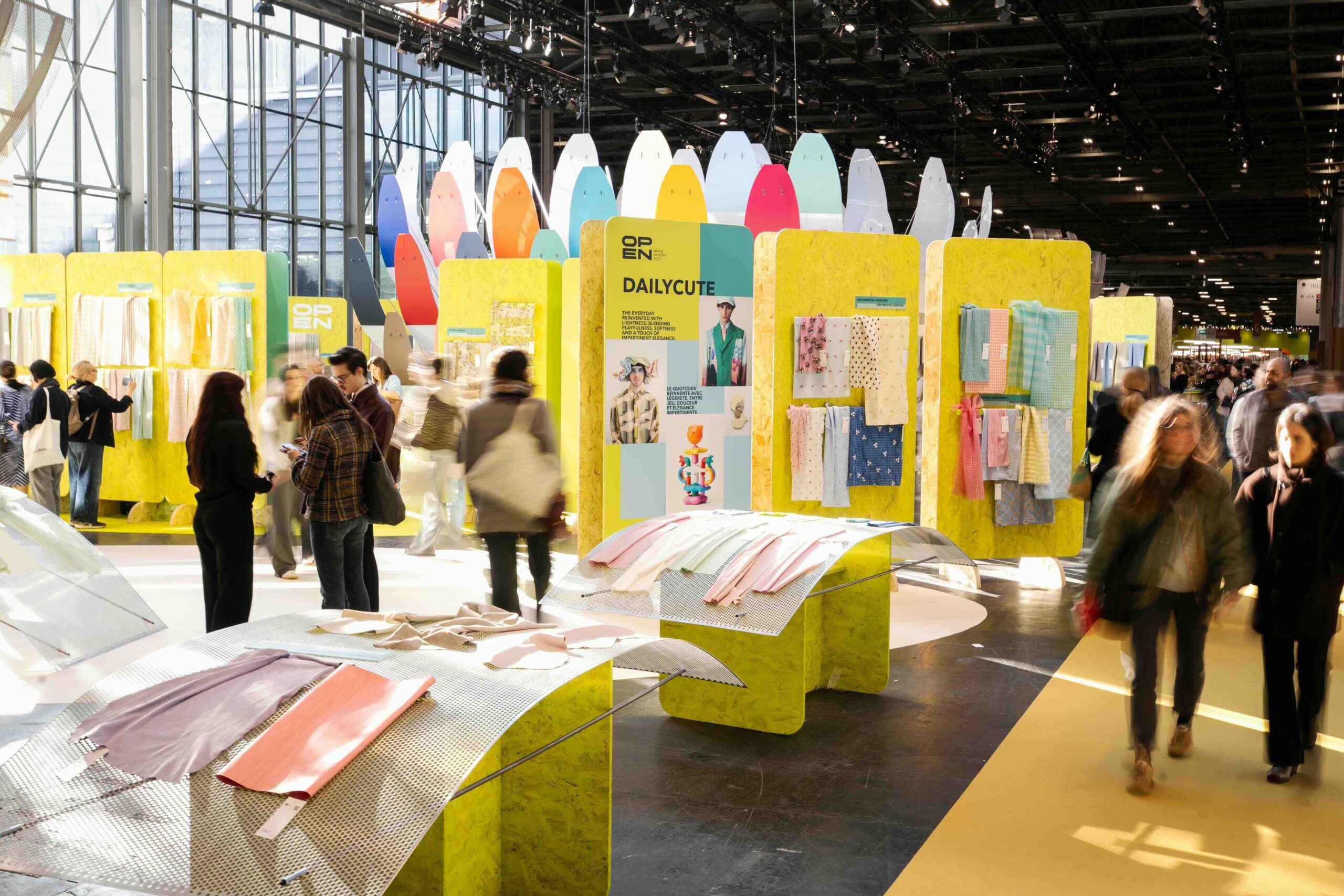
— Yes. This season, innovation is no longer presented as a separate topic. It is integrated throughout the entire sourcing ecosystem, from fibres and fabrics to manufacturing, packaging, traceability and product development. Visitors will discover an expanded Innovation & Technology programme, focused on moving innovation from concept to practical implementation. Artificial intelligence, digital product development, advanced manufacturing, traceability solutions, next-generation materials, and new business tools are no longer future possibilities; they are becoming operational realities for fashion brands and suppliers.
— One of the highlights is the strengthening of our Smart Creation area, which brings together companies working on AI-powered forecasting, 3D design, low-impact dyeing technologies, traceability systems, material innovation and circular production solutions.
— Another important milestone is the official launch of the Fibers & Materials Matrix, developed jointly by Première Vision and Paris Good Fashion. This new decision-support platform is designed to help fashion professionals compare materials and make more informed sourcing choices based on multiple environmental and strategic criteria.
— We are also opening new conversations beyond traditional textiles. We welcome a new Cosmetic Village, developed with Cosmetic Valley, reflecting the growing convergence between fashion, beauty, and lifestyle ecosystems.
What else do you look at in the industry?
— We need to move beyond simplistic narratives around ‘good’ and ‘bad‘ materials. The reality is much more complex. Material choices involve trade-offs between durability, recyclability, resource use, technical performance, availability, and cost. There is rarely one universally perfect solution.
— This is precisely the thinking behind the Fibers & Materials Matrix, which Première Vision has developed with Paris Good Fashion. Rather than ranking materials from best to worst, the project provides a decision-making framework that helps professionals understand the strengths and limitations of different options according to specific business and product objectives.
— I think this reflects a broader evolution in the industry. Fashion is moving from a compliance mindset toward a decision-making mindset. The winners of the coming decade will not necessarily be those with access to the most innovations, but those capable of making better decisions using the information available to them.
— Technology should not be viewed as a separate discipline from creativity. We increasingly see designers working alongside data specialists, material scientists and digital developers. Some of the most exciting innovations emerge precisely at these intersections. The future of fashion will belong to organisations capable of combining creative vision, technological capability and industrial expertise.
— Finally, despite the challenges, I am continuously impressed by the industry’s capacity for adaptation. Fashion is often portrayed as being in crisis, but when you walk the aisles of Première Vision and meet the companies developing new fibres, new production methods, new digital tools and new circular models, you see an industry that is actively reinventing itself.
To conclude, Chevallier explains one thing that we sometimes overlook: the transformation of fashion is not being driven by a single breakthrough technology or a single regulation. It is happening through the accumulation of thousands of decisions made every day by designers, buyers, manufacturers, suppliers and innovators.
— Despite the uncertainty, the industry has moved beyond simply identifying the problems. The conversation today is increasingly about building solutions. That’s a much healthier place to be than it was a few years ago.