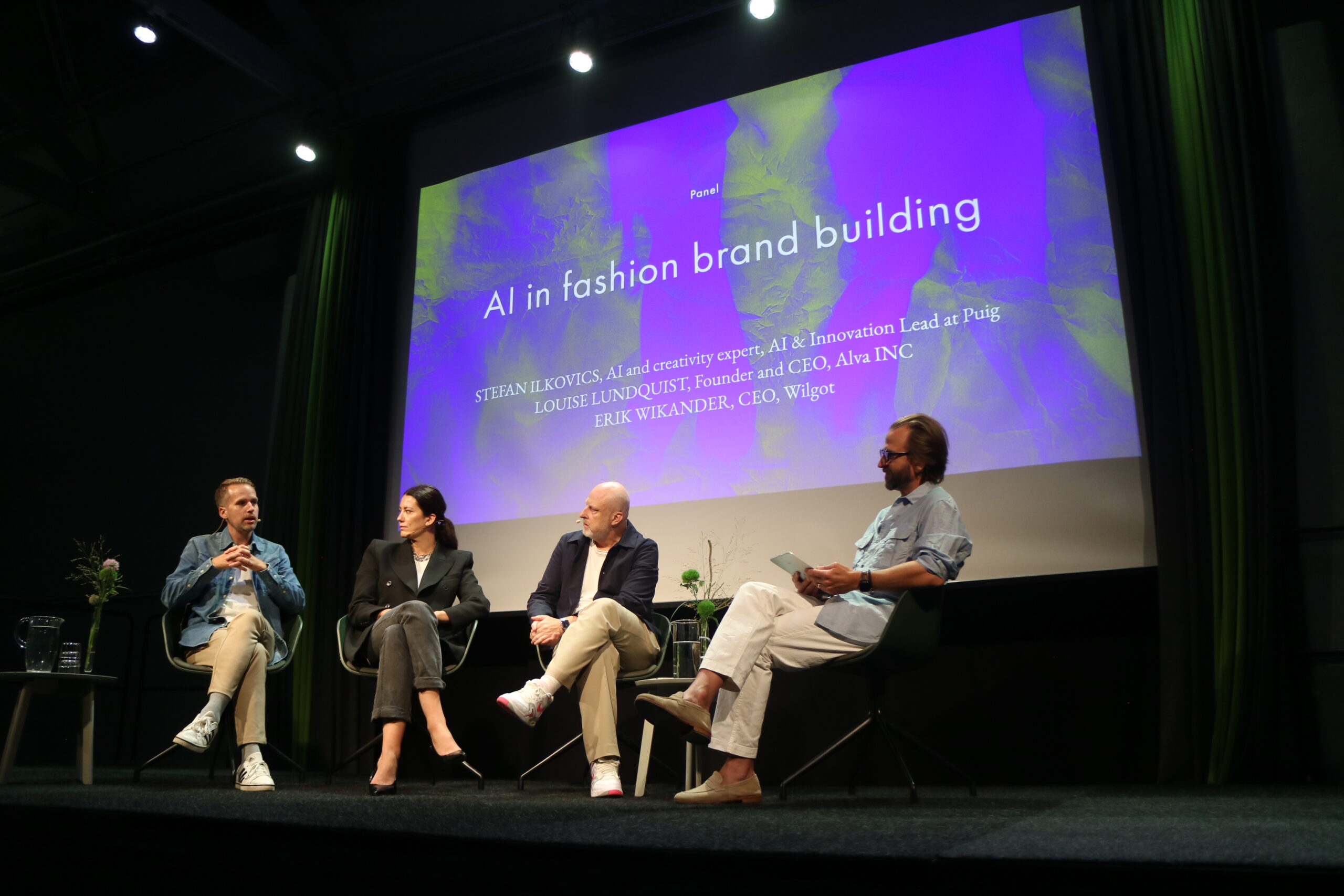


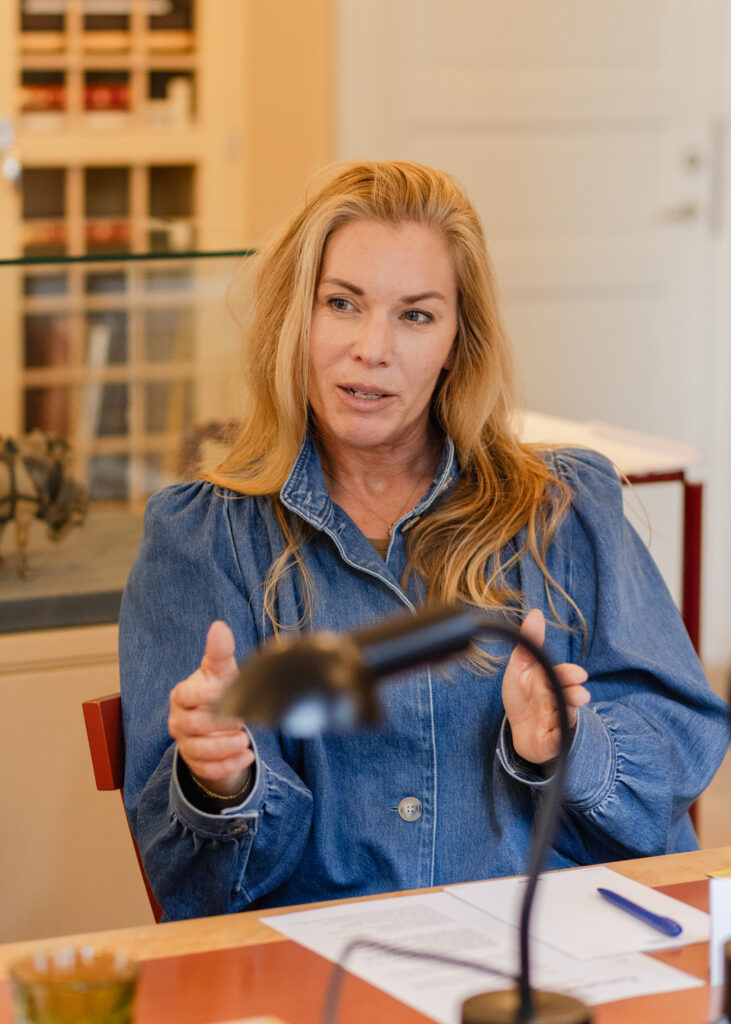
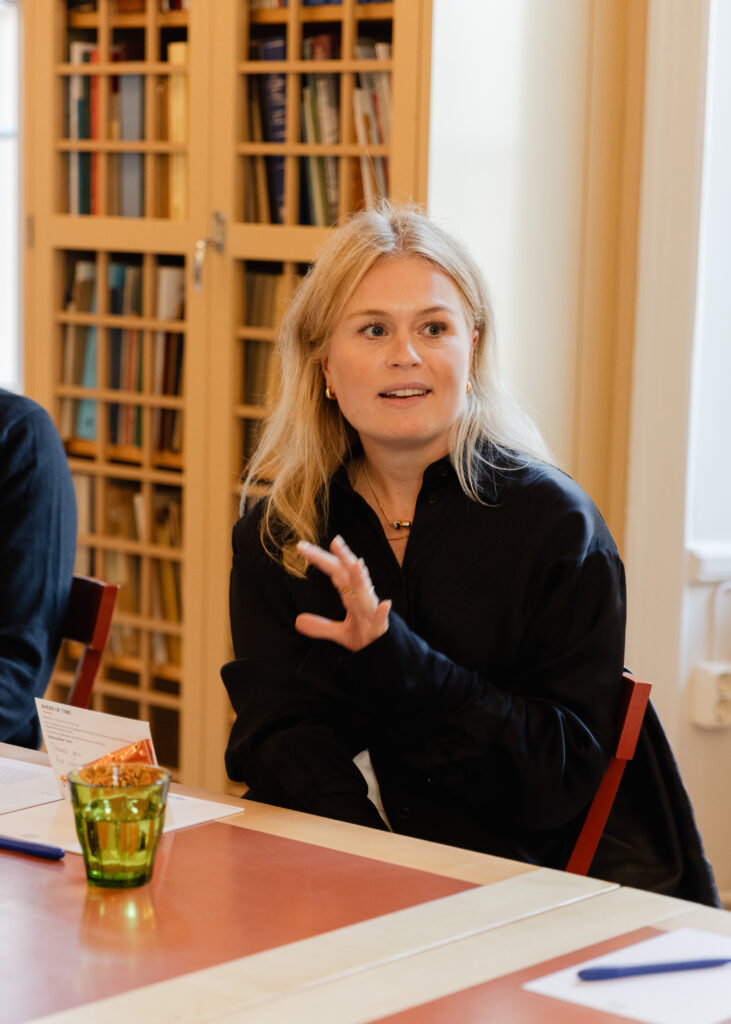
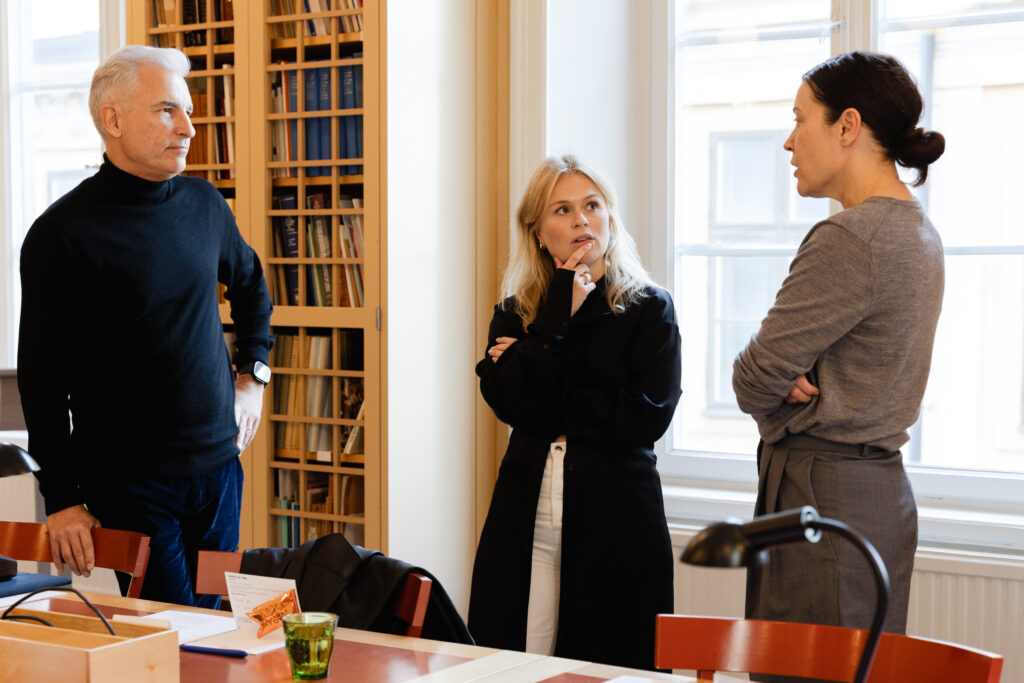
The session brought together leadership from Totême, MQ Marqet, J.Lindeberg and Johnells, in conversation with Nick Scheffers, founder of Thunderstock. Held in Vykortet, the historic library room at Postmuseum, the conversation moved from the promise of AI to the practical reality of planning: what the data needs to look like, why the seasonal calendar no longer matches how customers buy, and what it takes to act on a signal rather than just see it. Below are key insights that emerged from the conversation.















Key takeaways
1. Data quality is where everyone actually starts.
Asked what they would change first, almost every participant gave the same answer. Data that is fragmented, unstructured and owned by no one sets the ceiling for what any planning tool can deliver. AI does not remove that problem. It makes it impossible to ignore.
2. Much of planning still runs in spreadsheets.
Even among fast-growing, well-established brands, forecasting and replenishment are often handled manually, week by week. The gap between how merchandising is discussed and how it is actually done is wider than most expect, which is also where the quickest gains are.
3. The seasonal calendar no longer matches the customer.
Winter goods arrive while summer is still selling, customers buy closer to when they wear, and the full-price window before Black Friday keeps shrinking. A slow start to winter is rarely recovered later. Planning against a fixed two-season calendar means committing to a year that no longer exists.
4. The bottleneck is acting, not seeing.
Most brands can already spot a signal. The harder question is what to do with it when lead times, minimum order quantities and an open-to-buy committed months in advance leave little room to move. Keeping flexibility in the plan, and knowing when it is too early to act on a trend, came up as the real challenge.
5. AI makes merchandisers stronger, not redundant.
The room agreed that the value of AI in planning lies in freeing people from gathering data and manipulating spreadsheets, so they can spend their time on commercial decisions. The foundation comes first: clean data and reliable forecasting before agents.