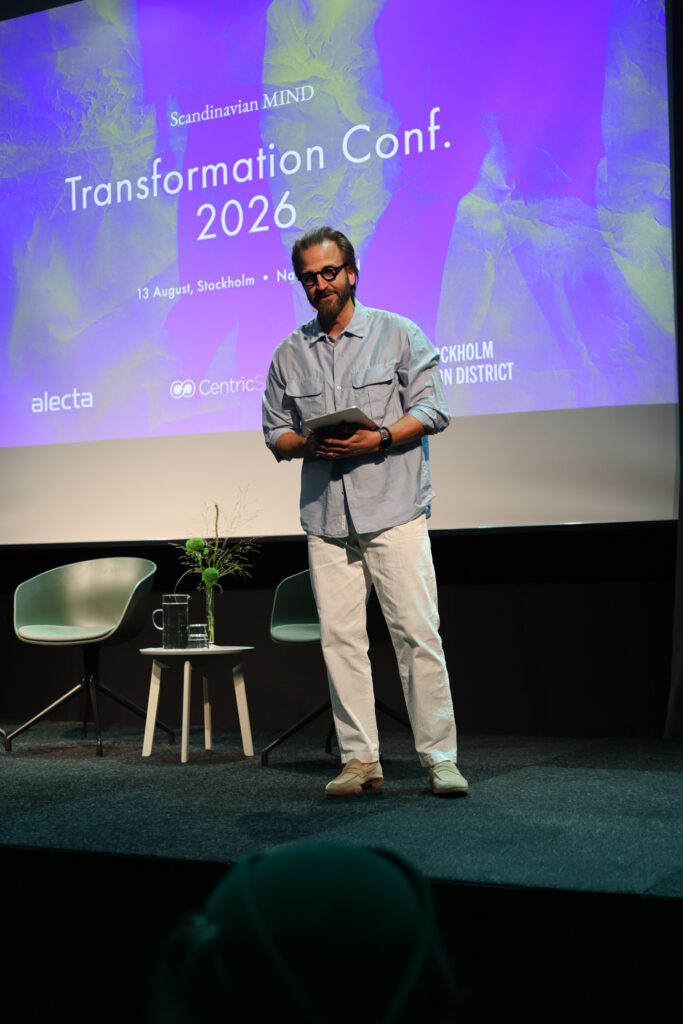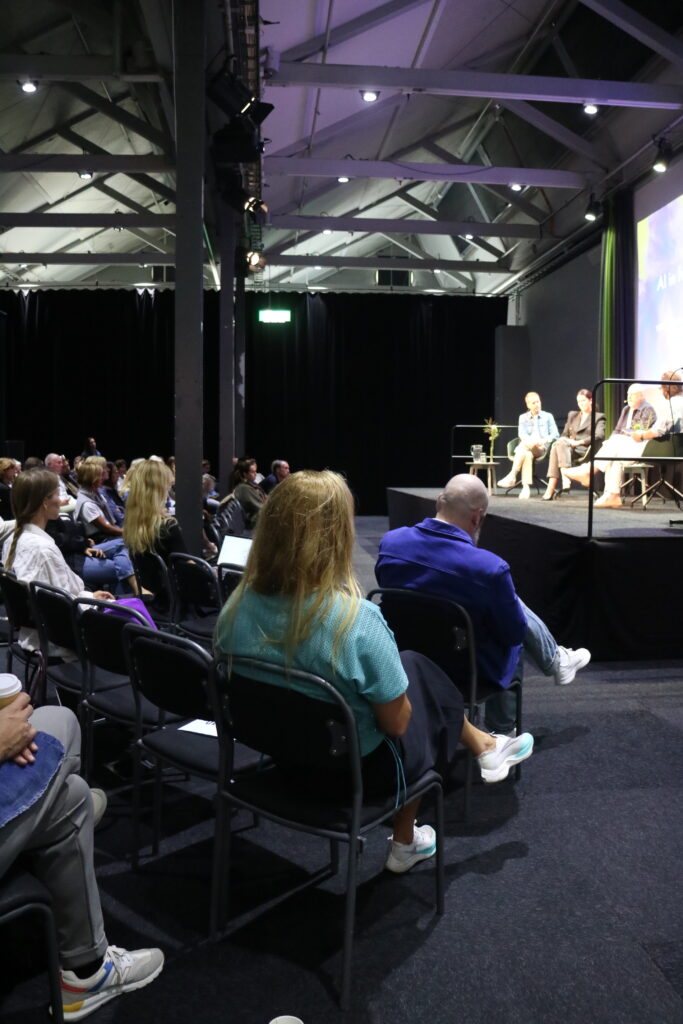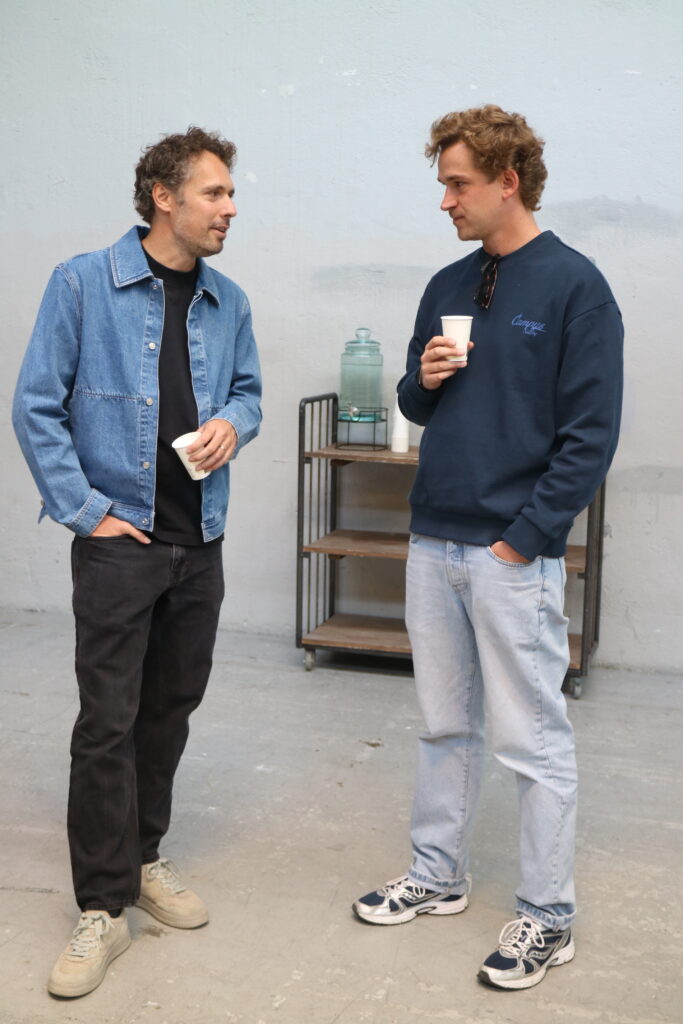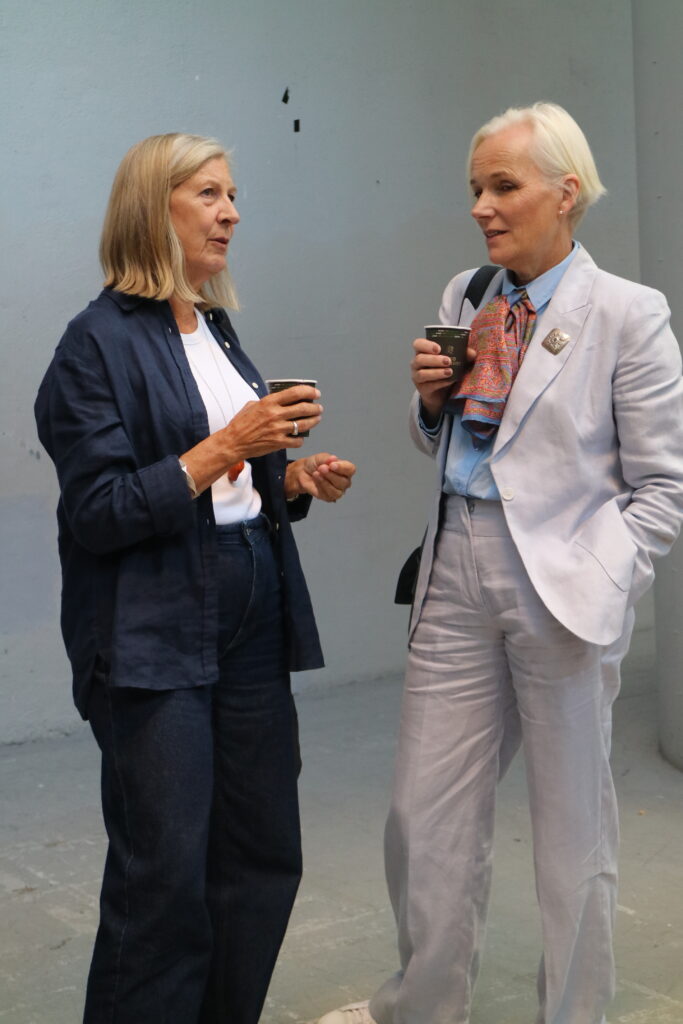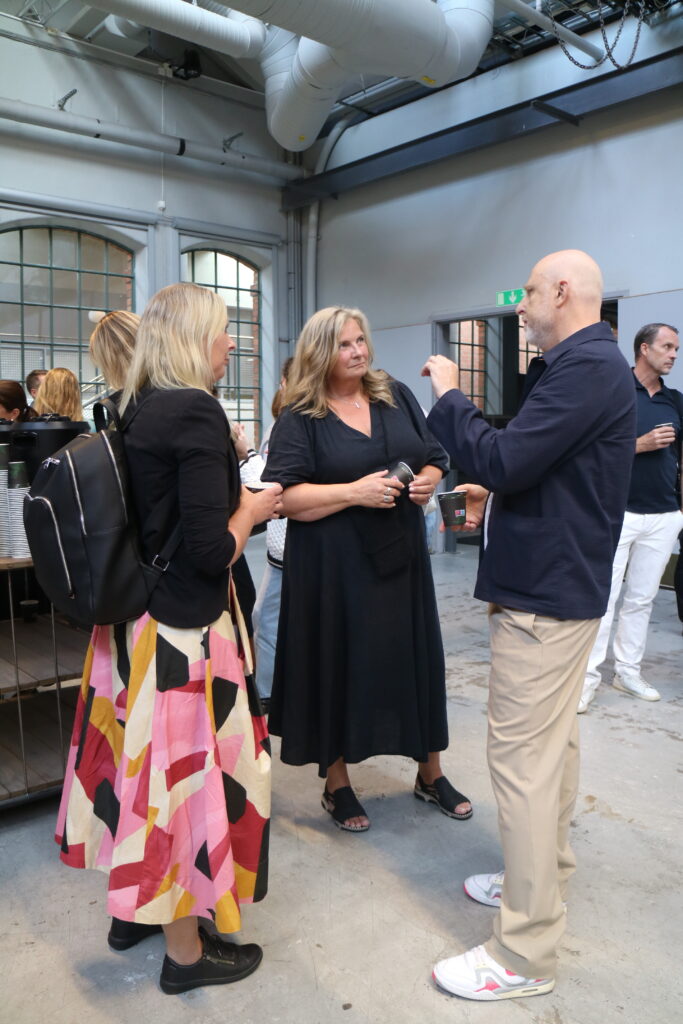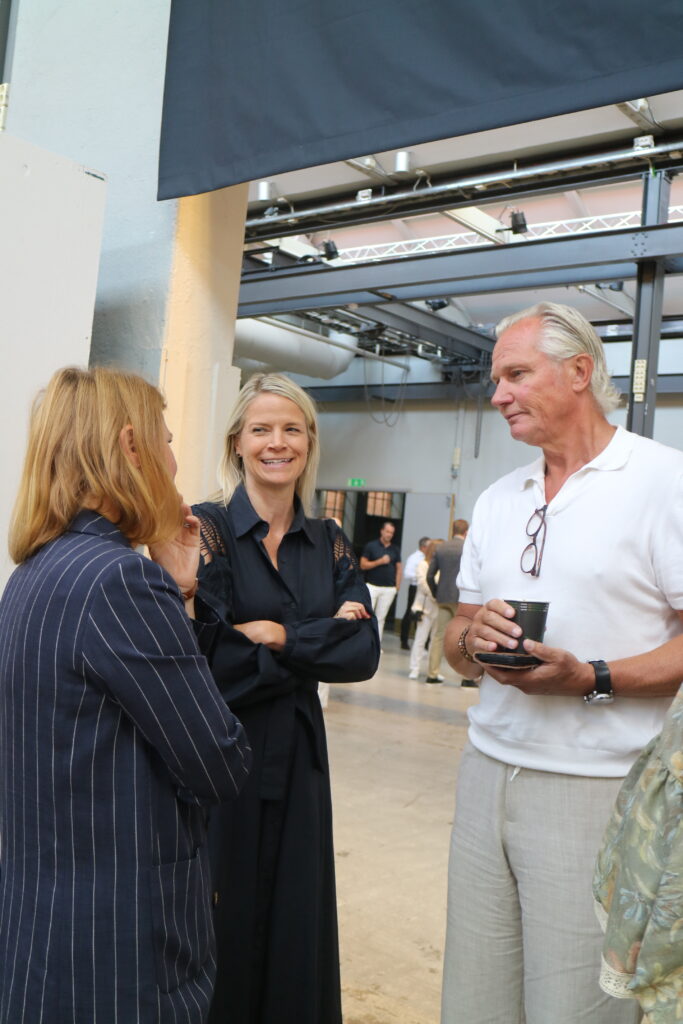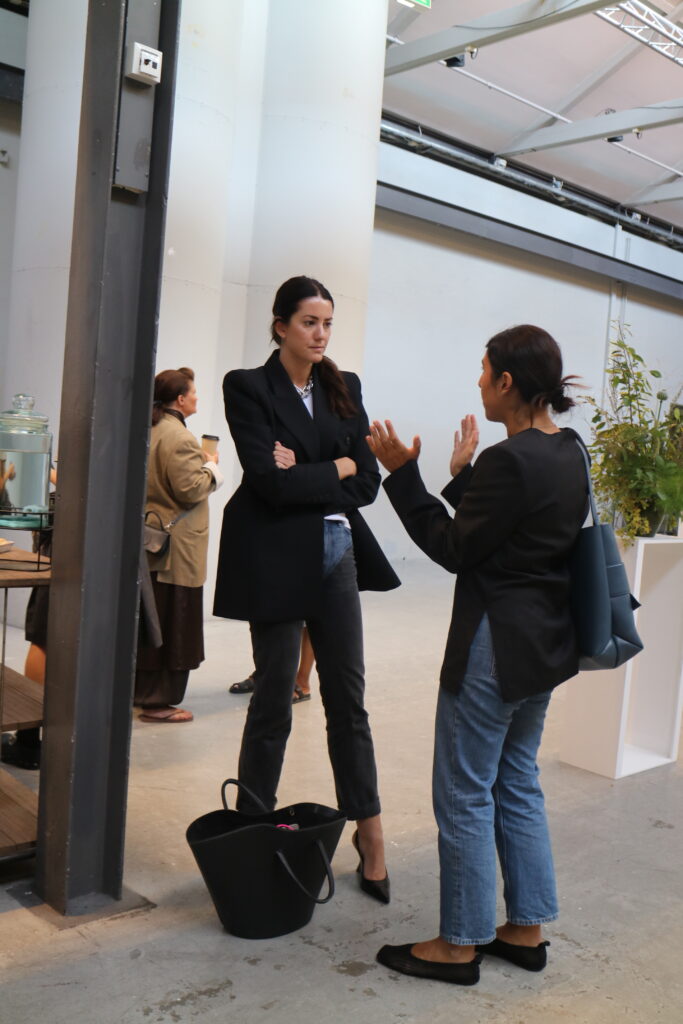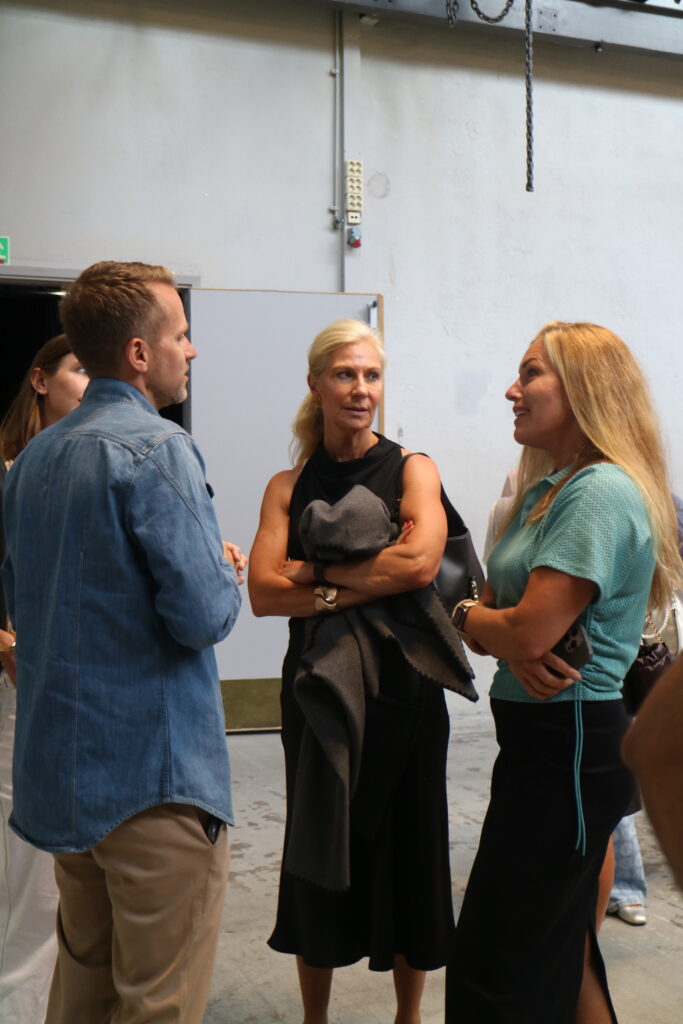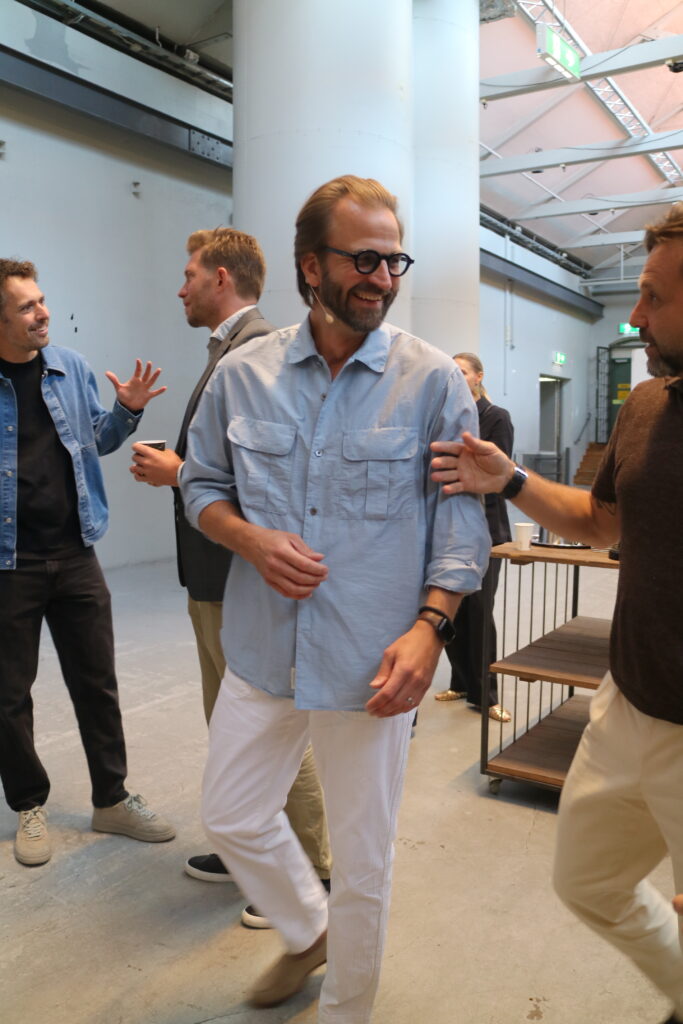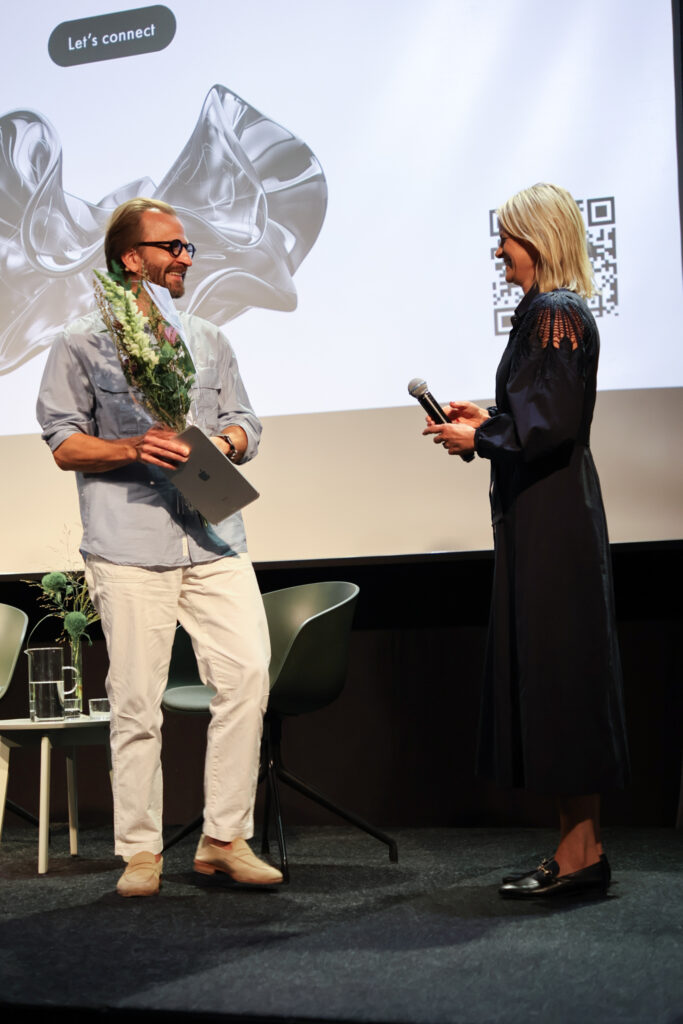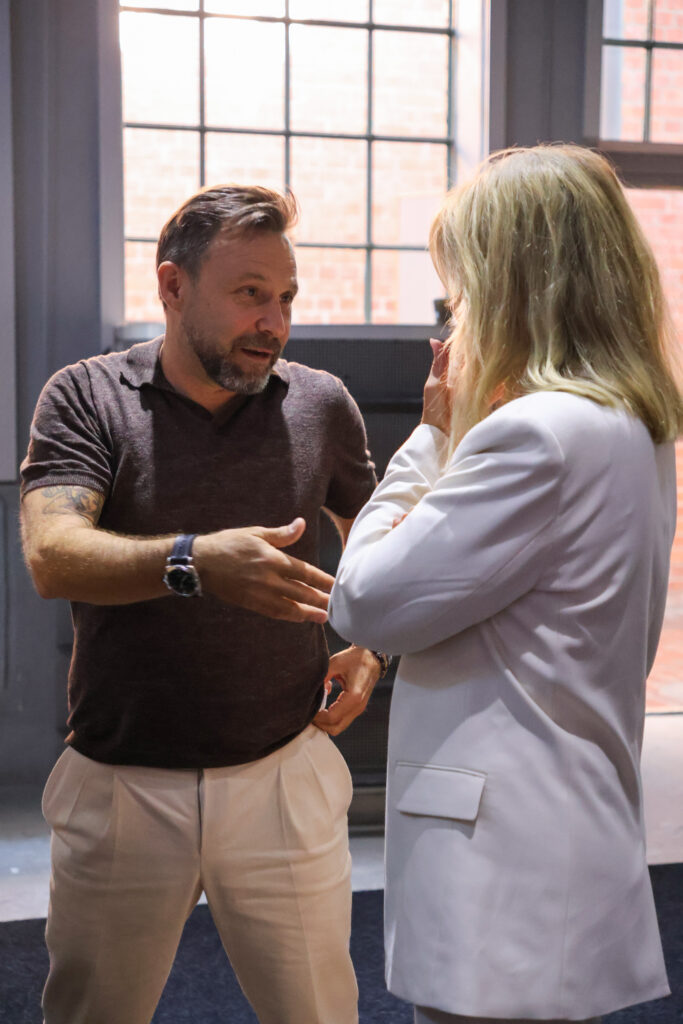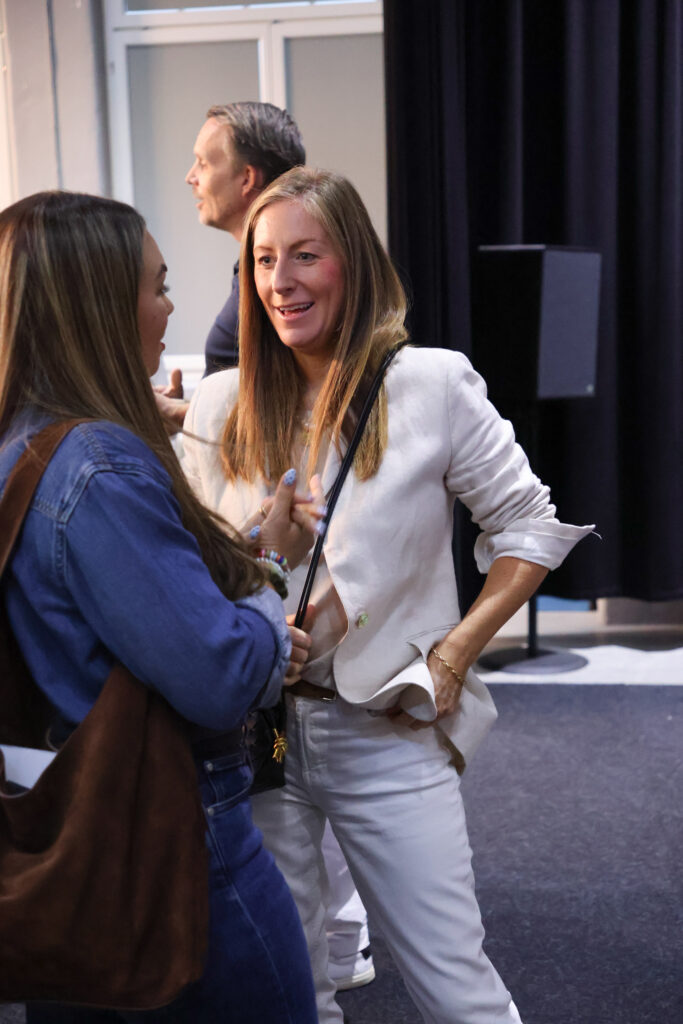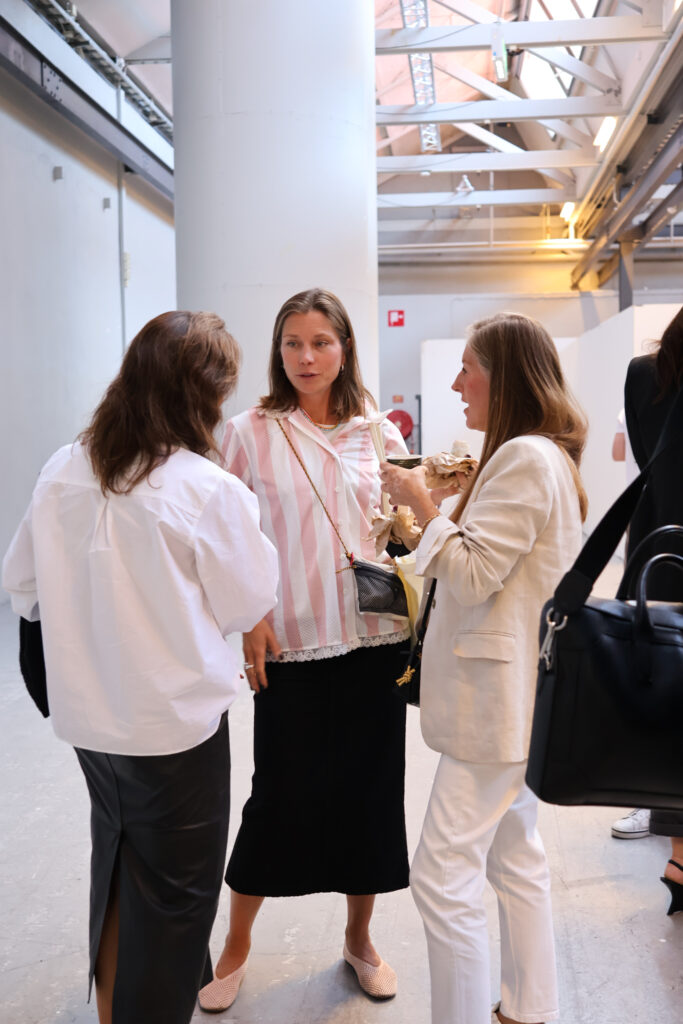


The programme covered the shifts now defining the business: AI moving from experimentation into daily execution, retail data turning into pricing and margin decisions, and transparency moving from compliance requirement to commercial infrastructure.
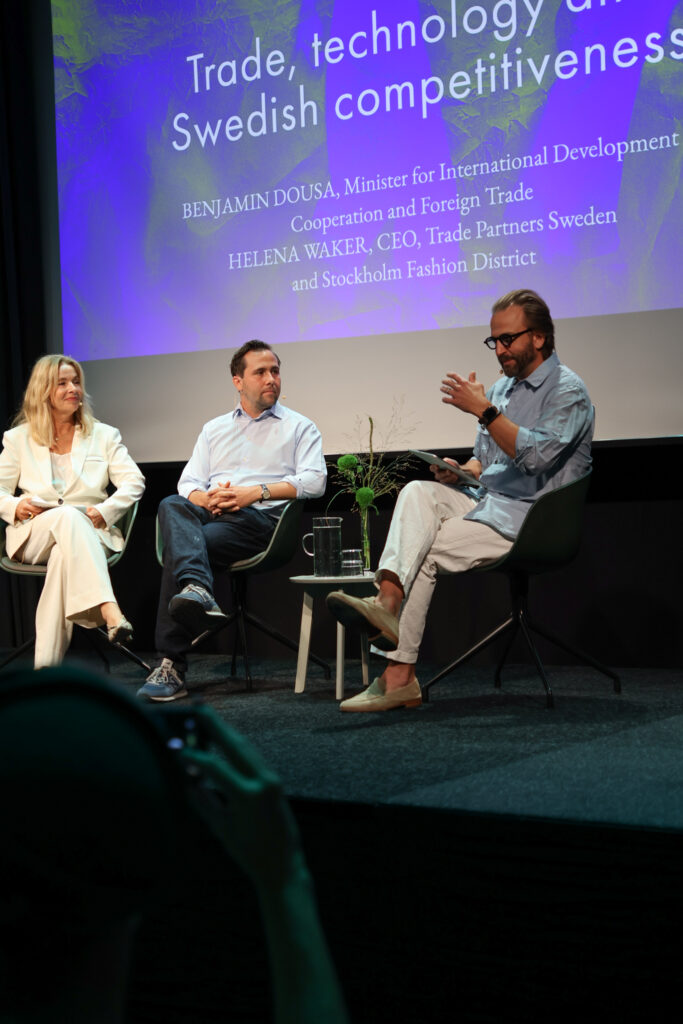
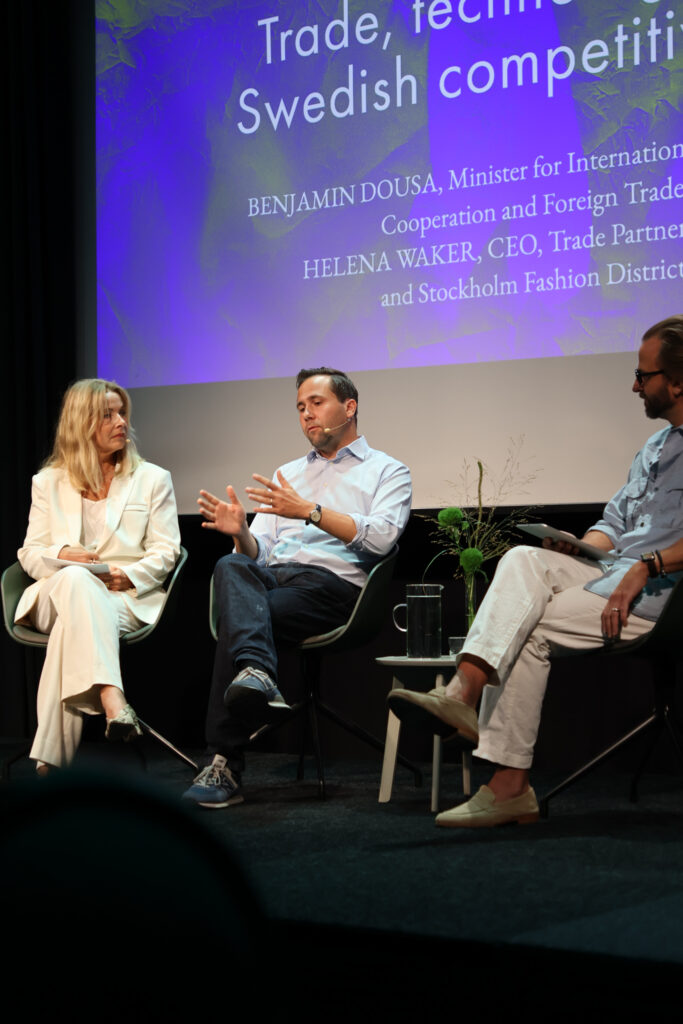
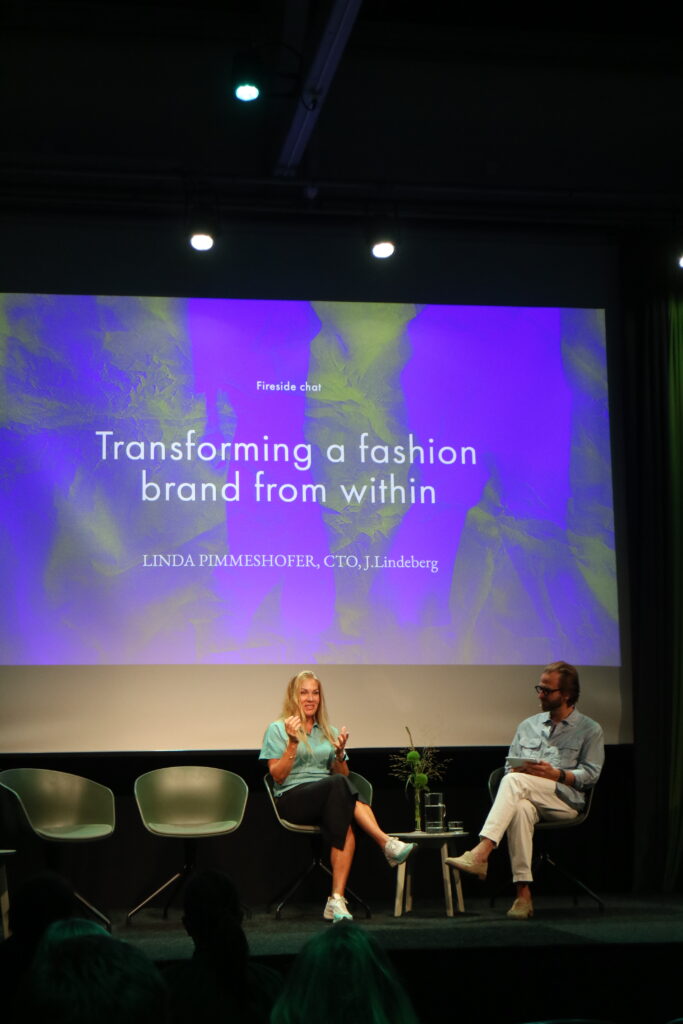
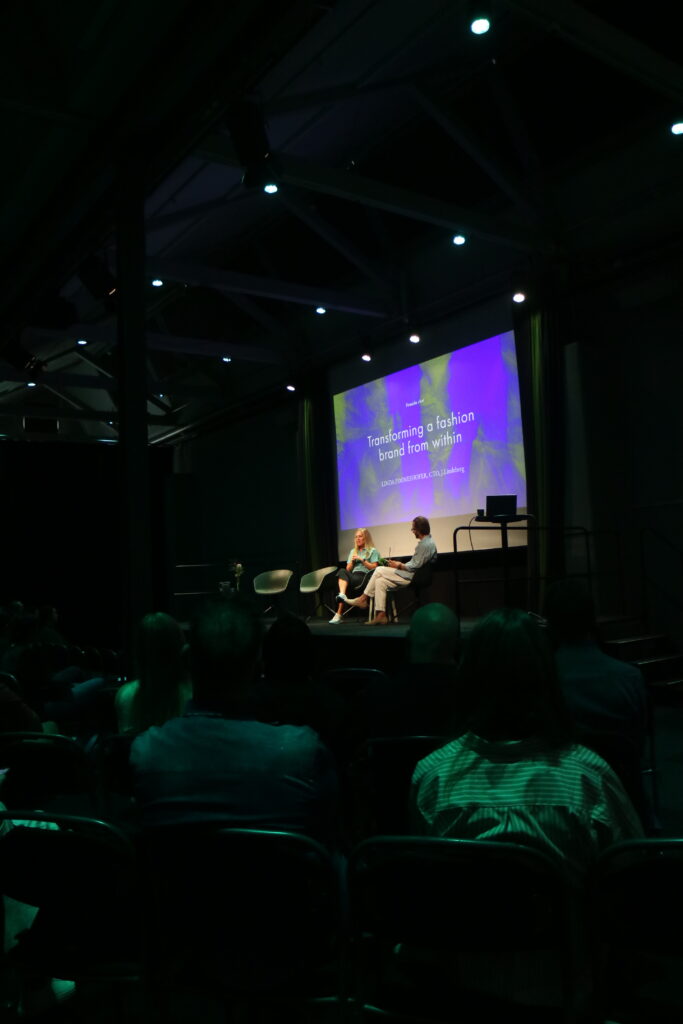
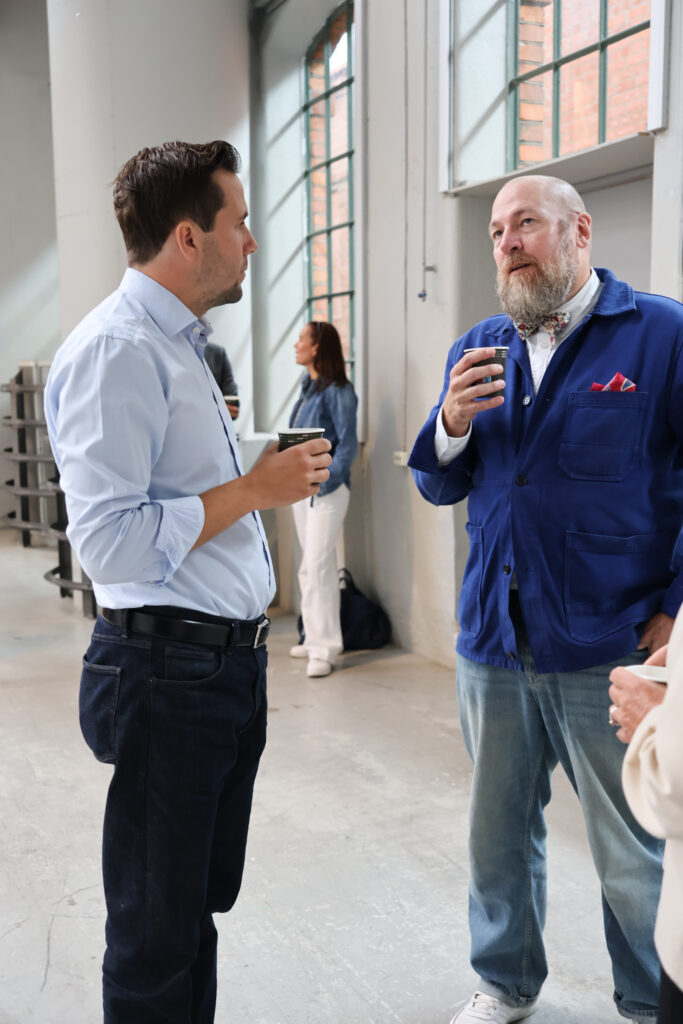
Benjamin Dousa, Minister for International Development Cooperation and Foreign Trade, opened the day in conversation with Helena Waker of Trade Partners Sweden and Stockholm Fashion District, on what keeps Swedish fashion competitive as trade conditions shift and as more of the technology running the business is bought from abroad. Linda Pimmeshofer, in her first year as CTO of J.Lindeberg, followed with an account of what it takes to rebuild a company around processes rather than systems, and why the direction of travel has reversed from working outwards from brand to working back from the customer.
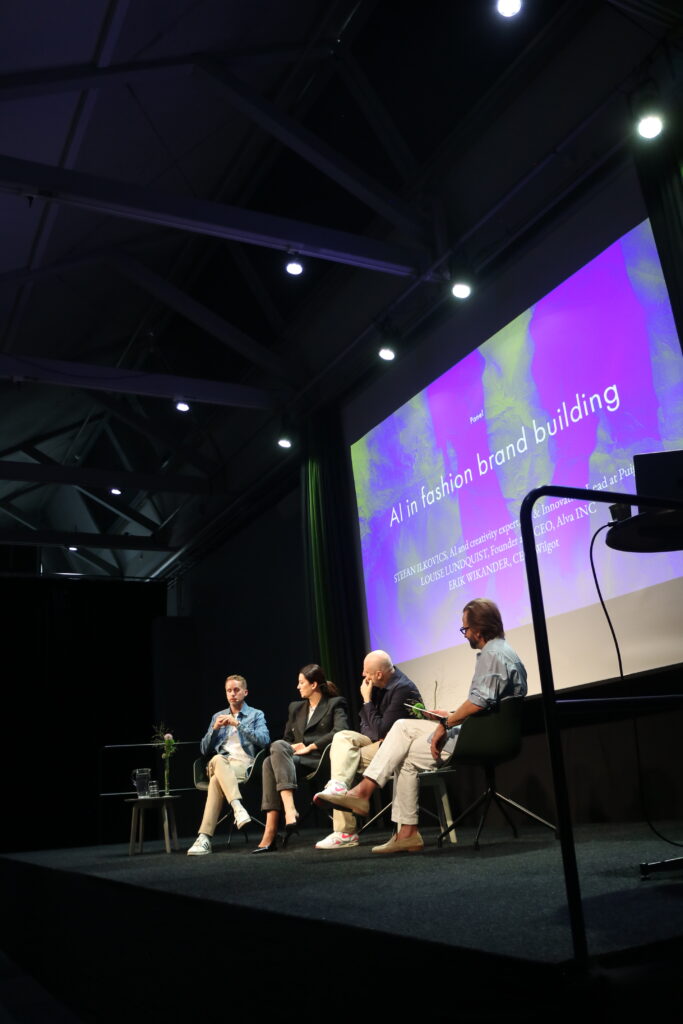
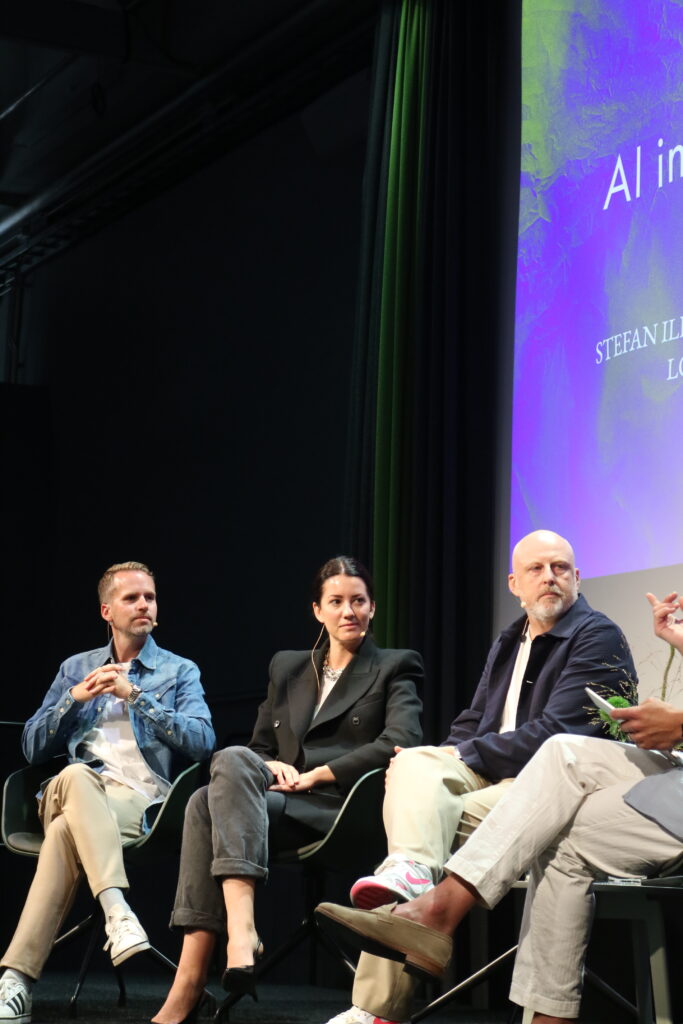
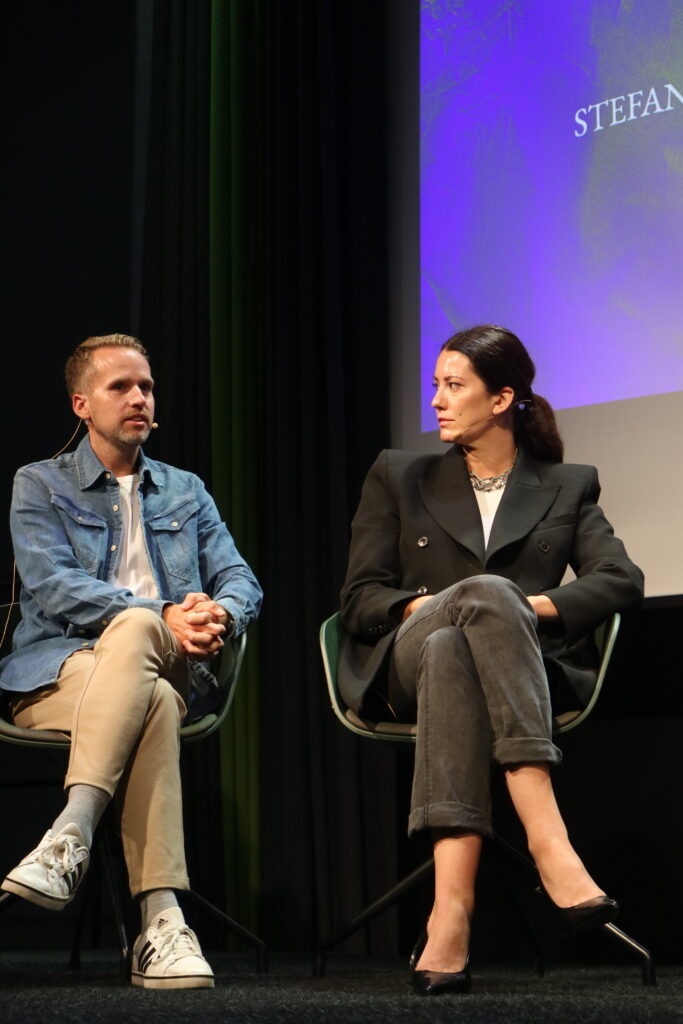
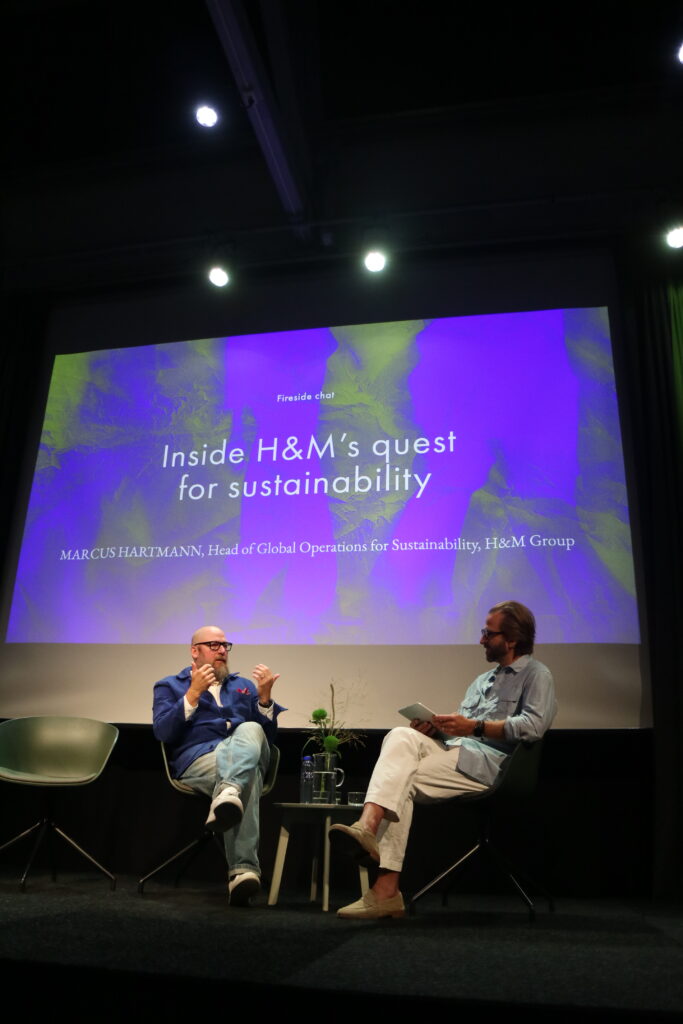
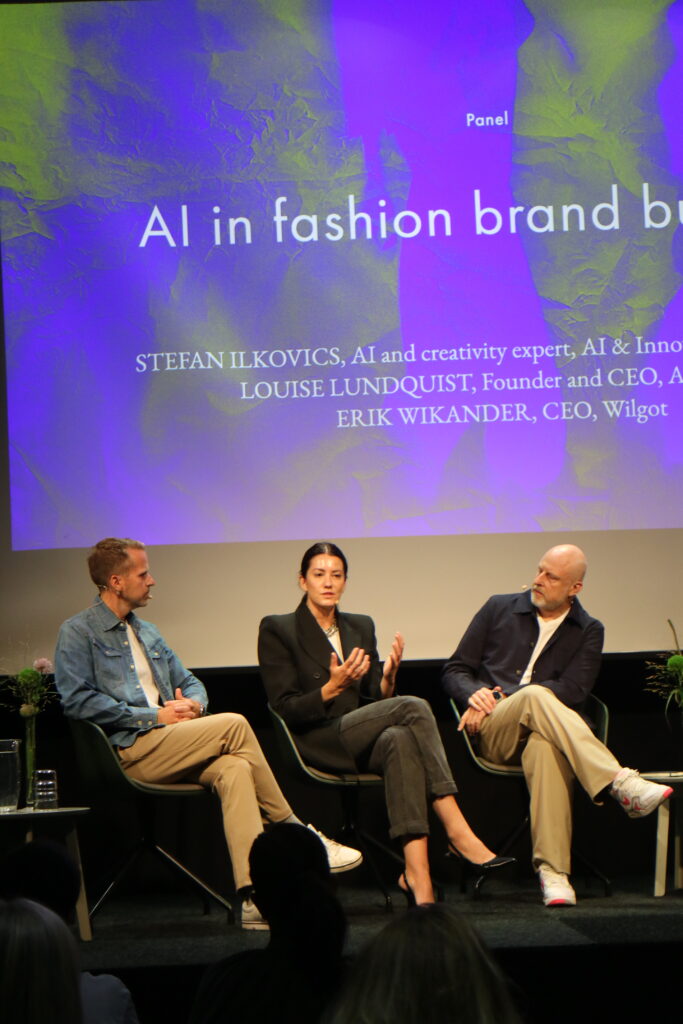
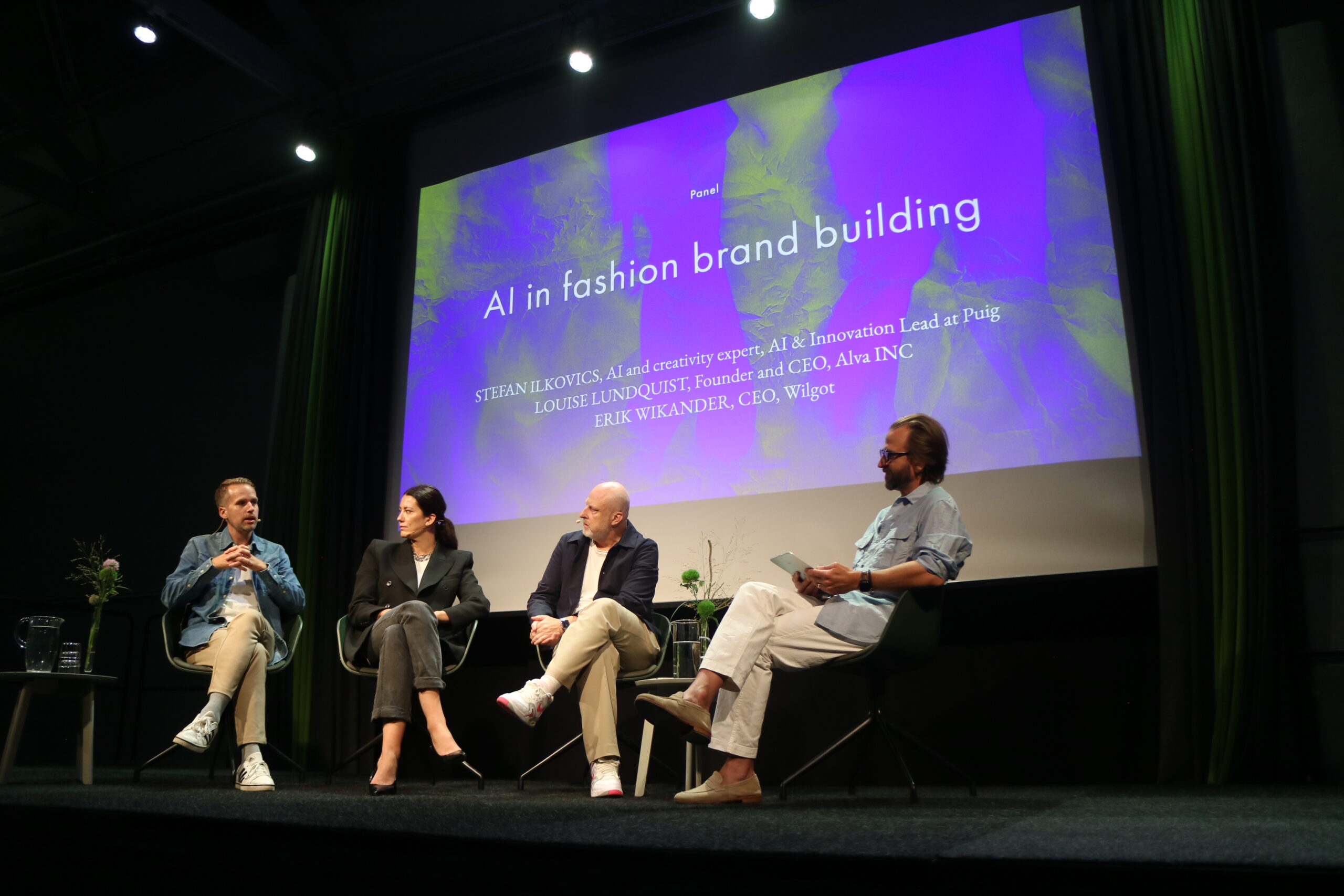
Stefan Ilkovics, Louise Lundquist of Alva INC and Erik Wikander of Wilgot took three positions on where the value of AI actually sits: in creative judgement, in who owns a likeness once anything can be generated, and in whether a brand can be found at all once search moves inside the models. Marcus Hartmann, Head of Global Operations for Sustainability at H&M Group, set out what extended producer responsibility changes in daily operations and what data has to exist underneath it for the claims to hold.
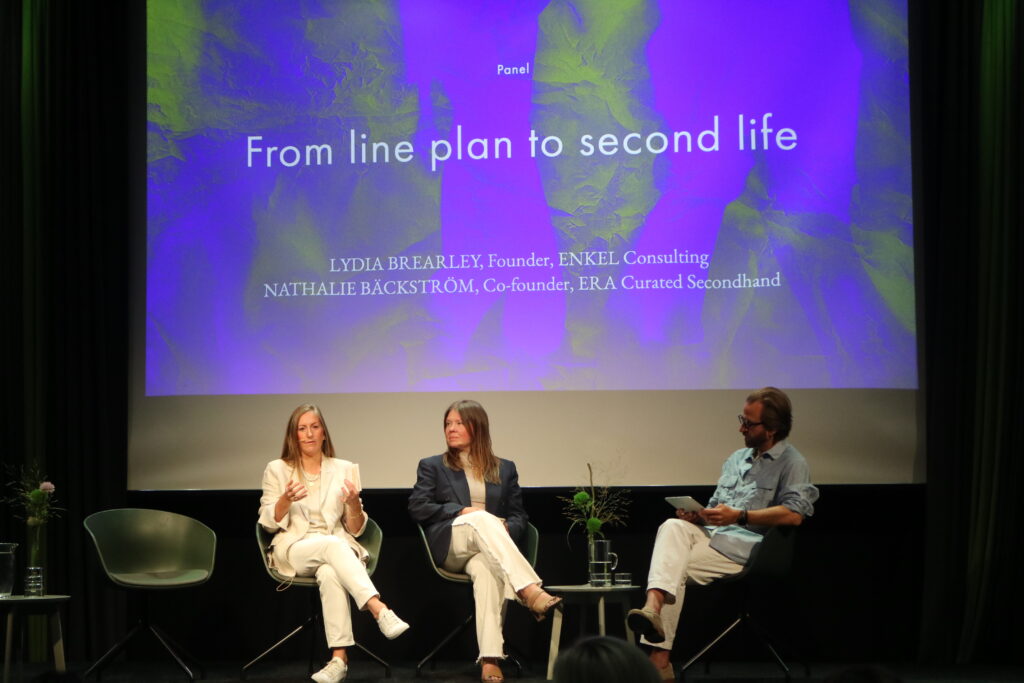
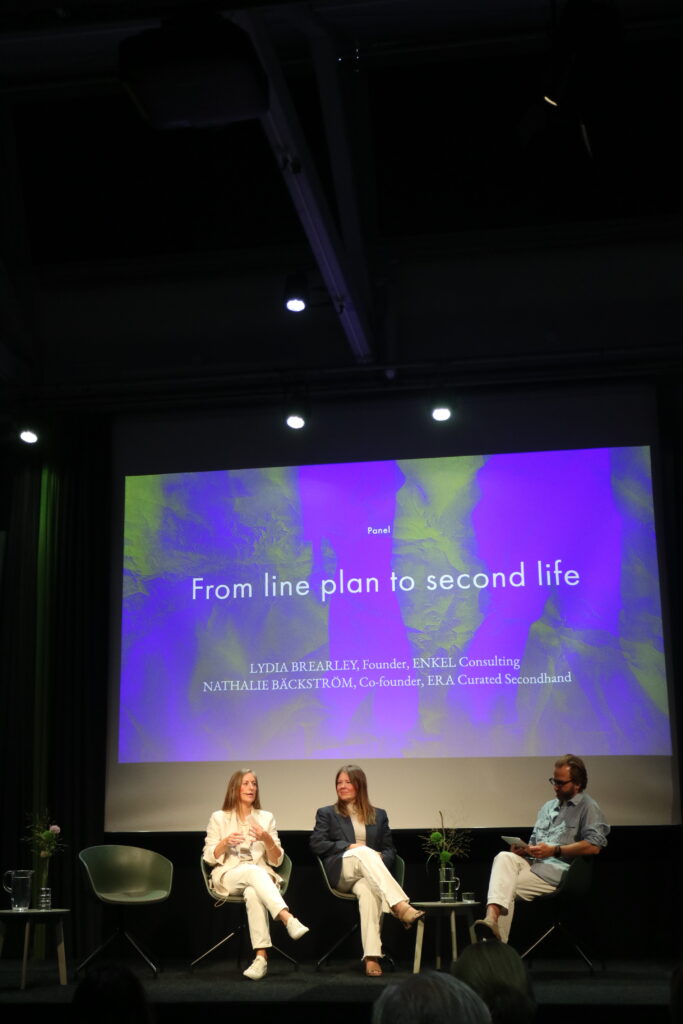
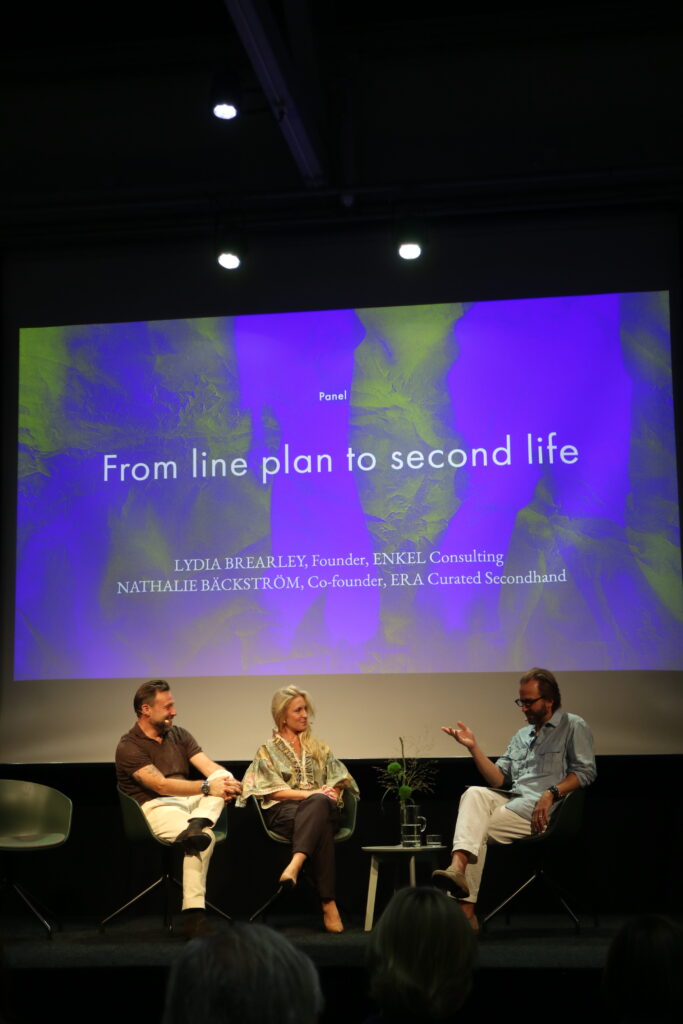
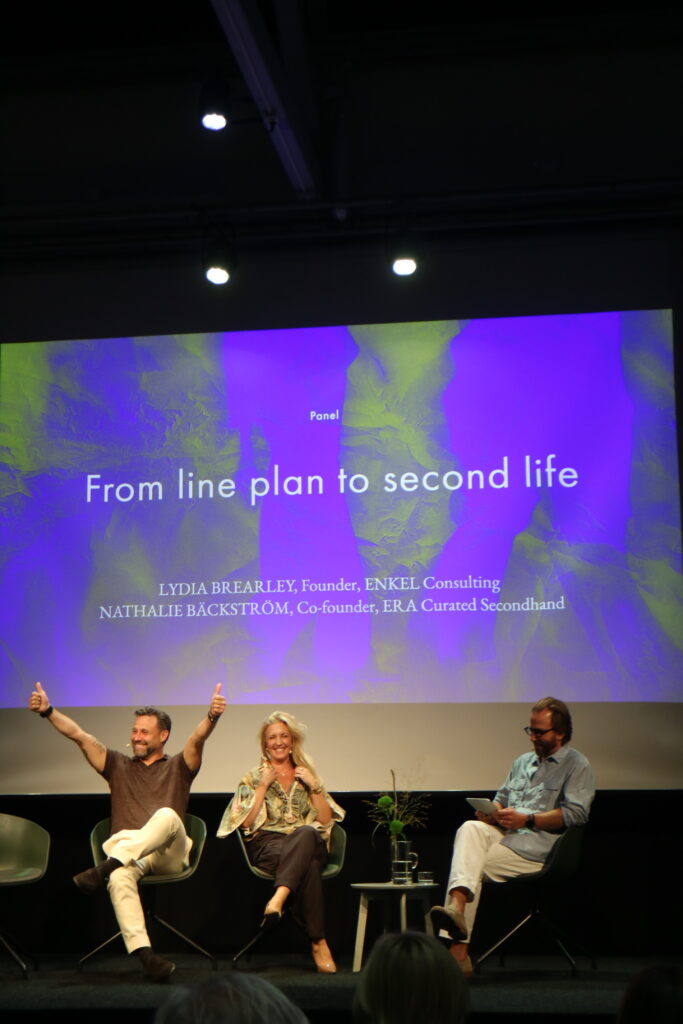
Lydia Brearley of ENKEL Consulting and Nathalie Bäckström of ERA Curated Secondhand looked at the same garment from opposite ends, from the decisions taken before it exists to what the resale market does with it afterwards. Daniel Di Benedetto of Centric Software and Louise Wintzell of HIDNstock closed the programme on where fashion’s waste is actually created, which is earlier in the cycle than most assume, and on what happens to the volume that gets produced anyway.
The day ended with a private dinner at Gondolen for speakers, partners and invited guests.
Thank you to everyone who joined us, to our speakers, and to our partners. tc2026