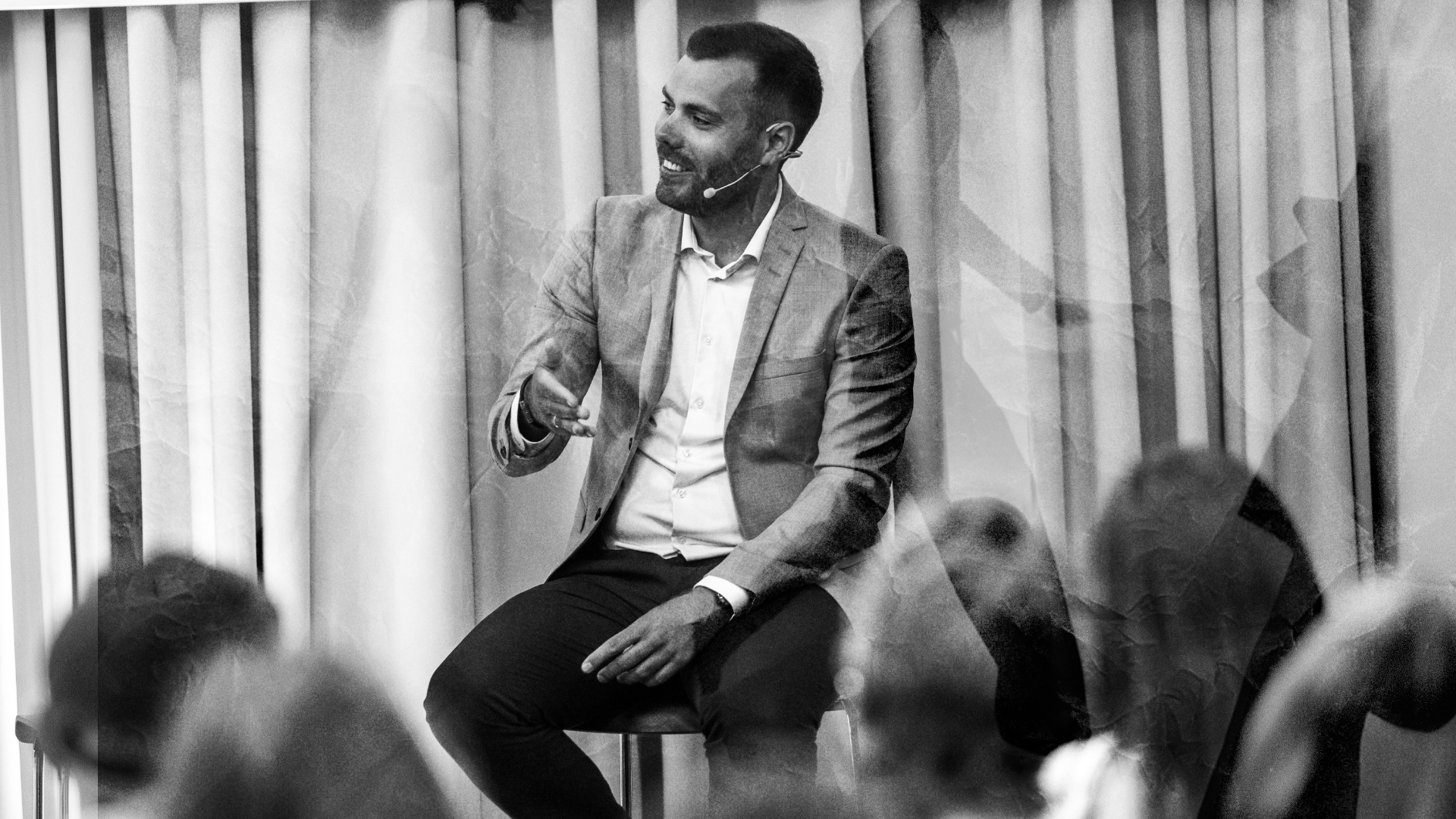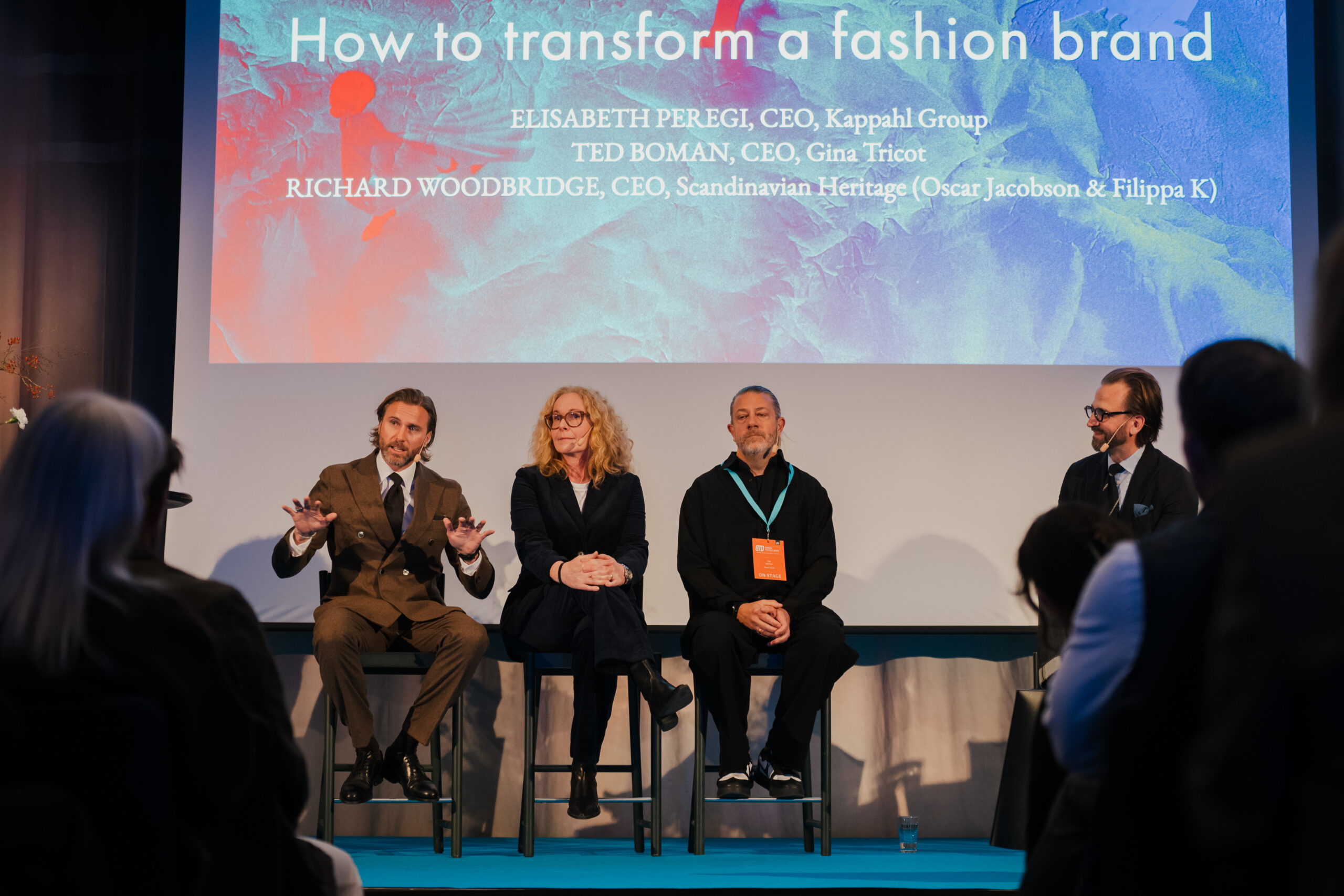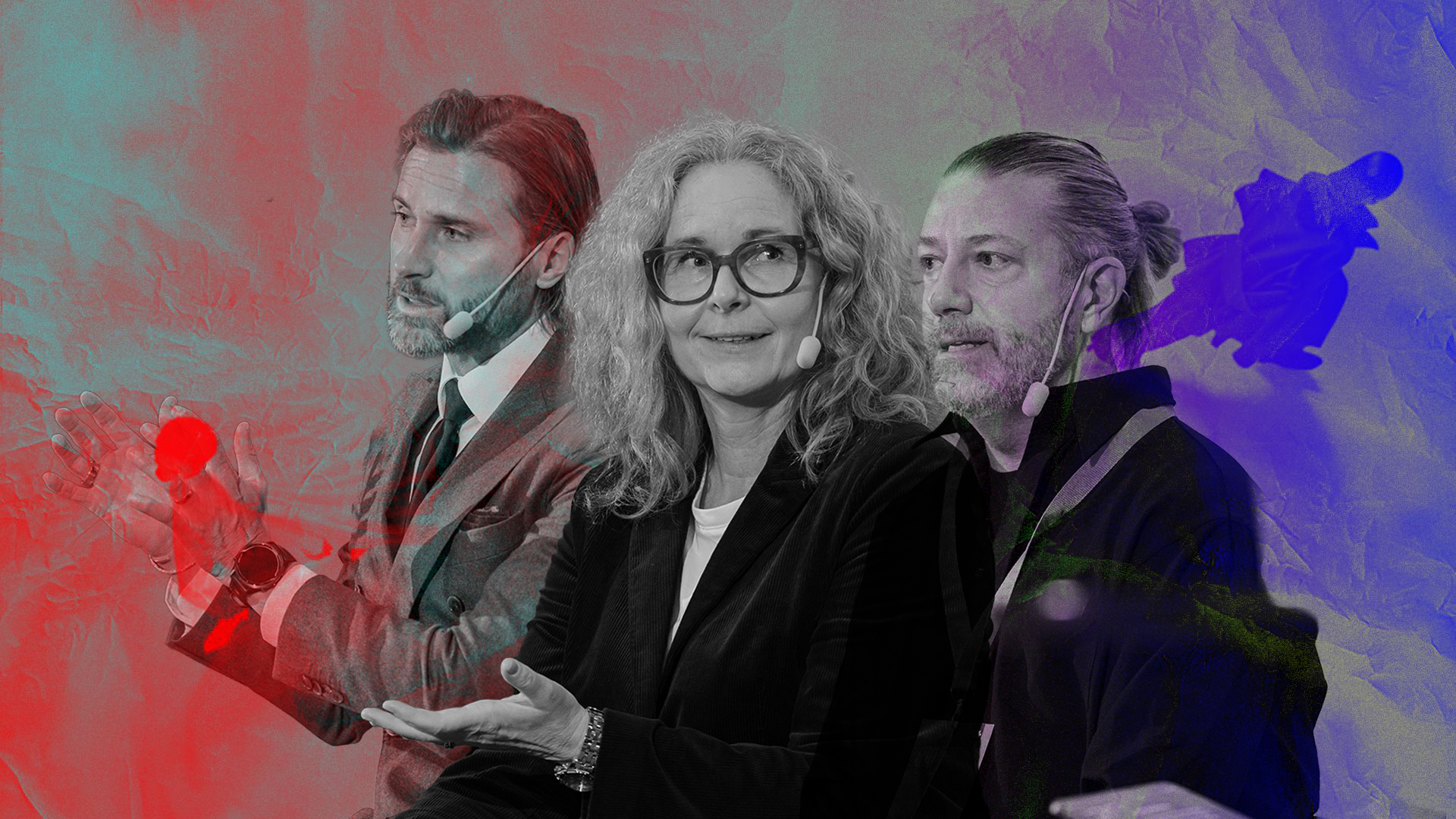


In this episode, editor-in-chief Konrad Olsson speaks with three leading Swedish fashion CEOs. Richard Woodbridge is CEO of Scandinavian Heritage (Oscar Jacobson and Filippa K), Elisabeth Peregi is president and CEO of KappAhl Group, and Ted Boman is CEO of Gina Tricot. Recorded in front of a large live audience at the Transformation Conference at Borås Textile Days, the conversation covers why all three companies are building groups rather than growing a single brand, what secondhand is actually worth to a fashion business, and how far AI should reach into brand building.
Key takeaways
Growth comes from a portfolio of distinct brands.
Oscar Jacobson and Filippa K now share group functions such as finance and IT but keep design, product development and marketing separate, because “it’s important for both brands to keep their unique identities”, Woodbridge says. Peregi is frank about why KappAhl Group is adding Newbie and Arkivet: “But KappAhl itself is not that distinct from competition.” At Gina Tricot, the new underwear brand Miss Y doubles as a testbed. “We added this to learn and how can we implement the things we learn into Gina instead of changing in Gina,” Boman says.
The main pressure is speed, not only price.
“If you only look around you, you might feel you are in pace, but suddenly you meet an American brand or a Chinese brand or a new French brand,” Boman says. In kidswear, Peregi sees price overtaking quality and fit: “Price, price, price, and then quality fit.” Woodbridge calls speed “the biggest challenge we have right now”, which makes a strong brand more valuable, not less. As he puts it, “brand is everything”.
Secondhand is a business, not a side project.
Oscar Jacobson’s Sustain concept is profitable, and half of all handed-in garments sell within a month, so the bottleneck is supply. Three in four sellers choose a gift voucher over cash, which means “we keep the customer in the ecosystem”, Woodbridge says. KappAhl Group will keep Arkivet separate while bringing secondhand kidswear to all KappAhl stores in Norway, Sweden and Finland. “It’s about doing Arkivet the Arkivet way, KappAhl the KappAhl way,” Peregi says.
AI starts with structured data and a willingness to experiment.
Gina Tricot began structuring its data four years ago, long before its in-house AI team told Boman: “We built our own Lovable.” The tool runs on the company’s own infrastructure, and Boman, who now vibe codes himself, says his first program can replace a SaaS program the company uses. Woodbridge argues the deeper shift is cultural: to “constantly challenge the way you are doing or have been doing things”. Only then, he says, “you can make use of AI or a new system or whatever it might be”.
Generative AI does not remove responsibility.
“First of all, I think people really like people,” Boman says. After a Filippa K campaign made with an AI agency drew a backlash he calls fair, Woodbridge is clear: “at the end of the day, you as a brand is always responsible for what you publish.” Peregi’s test is the customer’s reaction: “A backdrop, yes. A kid’s face, no.” Looking ahead, Boman hopes “Scandinavian brands can share more together to grow faster”.