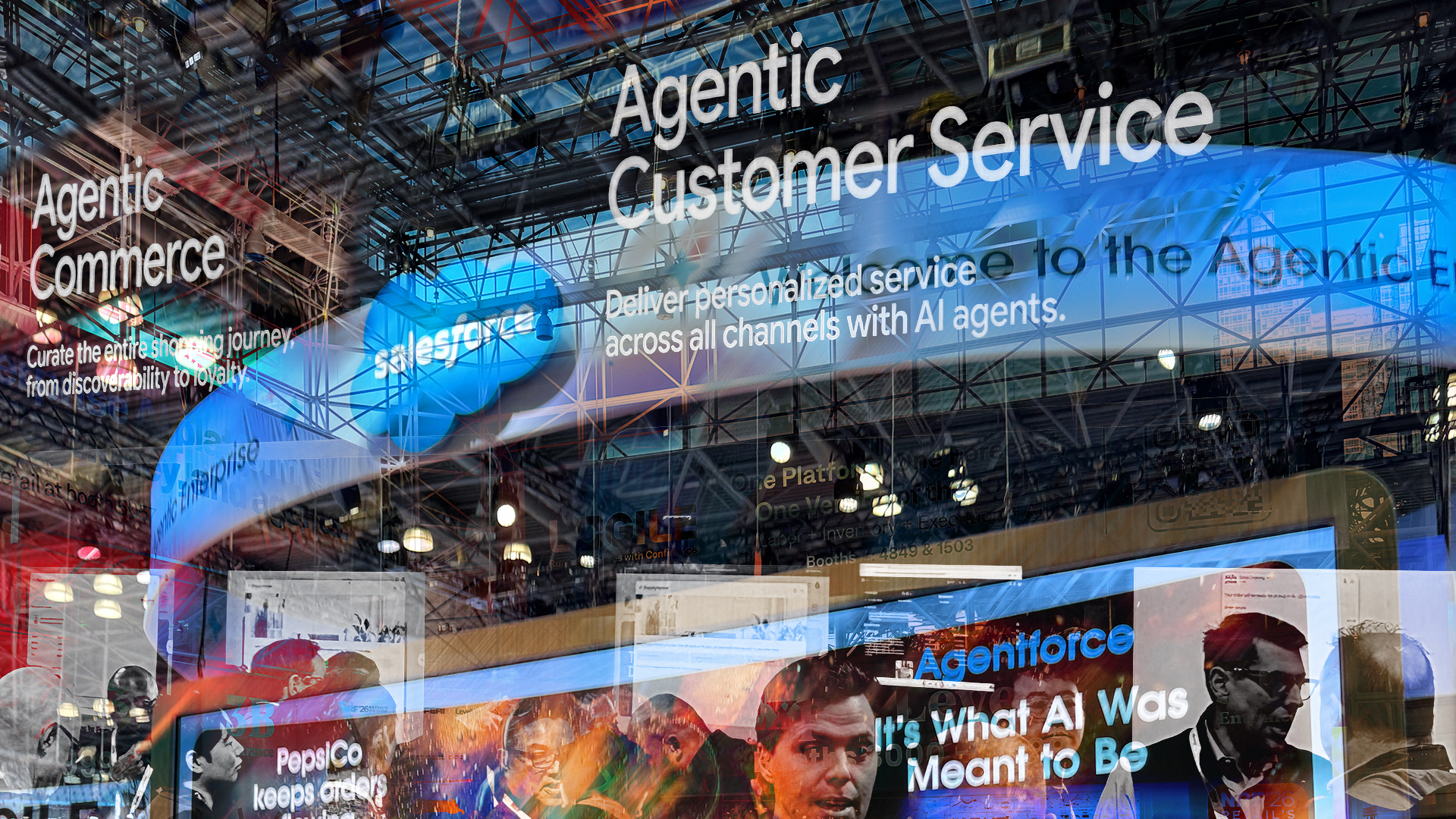


NRF Week has quietly evolved into one of the most important moments of the year for understanding where retail is heading. Beyond the scale of the trade show at the Javits Center, it has become a convergence point for platforms, vendors and global brands trying to make sense of how AI is reshaping discovery, decision-making and commerce itself.
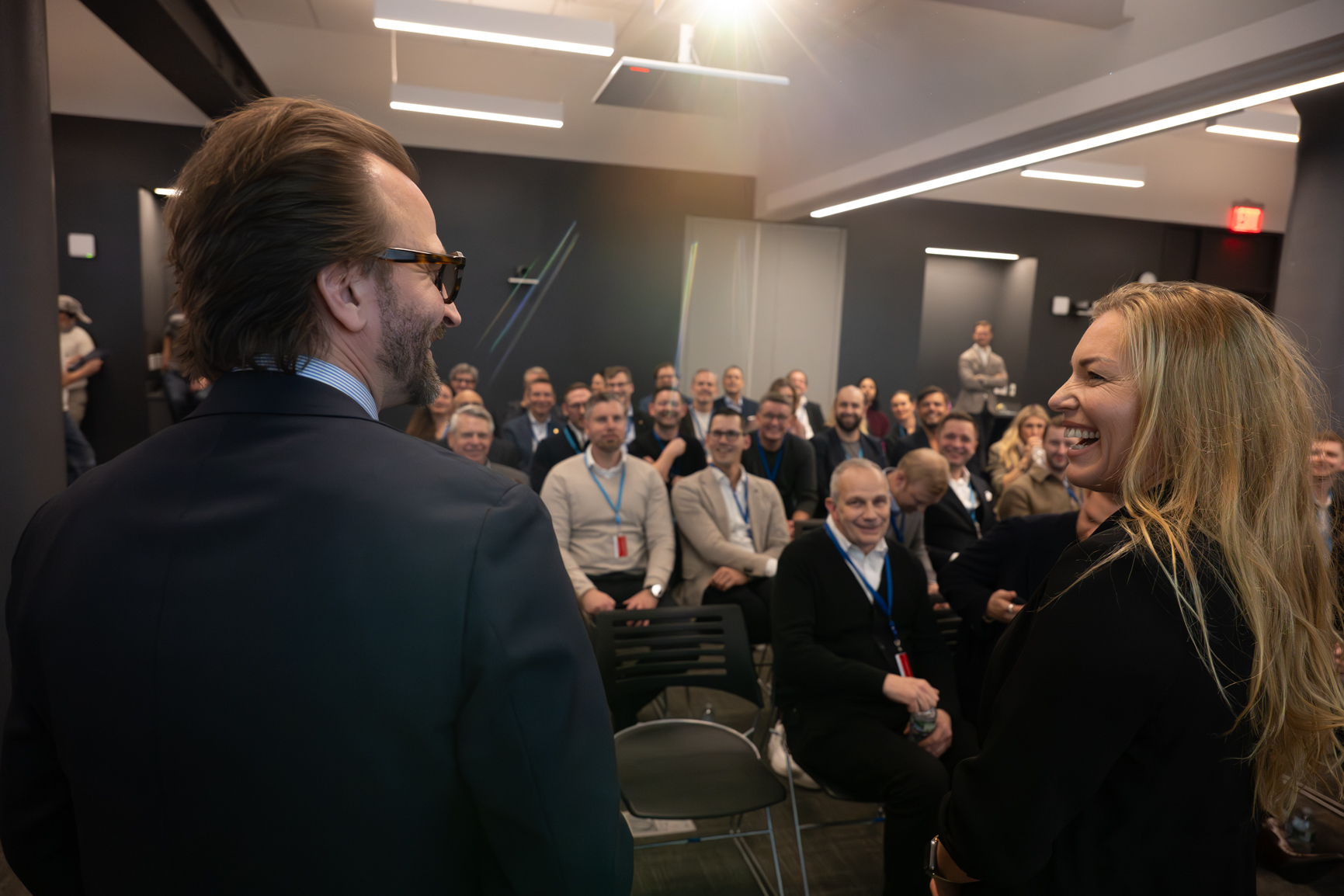
I spent four days in New York moving between keynote stages, private meetings and side events, including our own gathering at Amazon’s offices in Midtown. Across very different settings, the same theme kept emerging. Retail is no longer preparing for agentic commerce. It is beginning to operate within it.
What follows is a set of personal takeaways from a week where AI, infrastructure and consumer behaviour finally started to align, and where the implications for how brands compete, communicate and convert became impossible to ignore.
1: Google is formalising agentic commerce
Agentic commerce was no longer framed as an experiment. In his keynote at NRF, Sundar Pichai made it clear that Google is actively restructuring how shopping works inside search. With more than 50 billion product listings in its Shopping Graph, now refreshed in real time, Google is moving users from keywords to conversations.
“With AI Mode, shopping journeys move from keywords to natural conversations. AI can do the hard work of narrowing down exactly what you’re most interested in buying.”
The implication is structural. Discovery, comparison and checkout are being compressed into a single flow.
2: AI-driven shopping already converts better
The Adobe Quarterly AI Traffic Report, presented during NRF, showed that AI-referred traffic is not only growing fast, but also outperforming traditional channels. During the 2025 holiday season, AI-driven visits converted up to 15 percent higher than standard ecommerce traffic, with longer session times and fewer returns. Adoption spans age groups, suggesting this is not novelty behaviour. AI is already influencing purchasing decisions at meaningful scale.
3: AI remains one of retail’s most underestimated shifts
At Scandinavian MIND’s own side event, Doug Tiffan, Head of Solution Strategy for Fashion and Apparel at AWS, stressed that the real risk is misalignment, not lack of technology.
“AI should follow business weakness, not hype. If you don’t know what problem you’re solving, AI will just help you get there faster.”
Retailers that treat AI as a layer on top of existing complexity risk amplifying inefficiency rather than reducing it.
4: Human judgement still defines brand value
Technology can optimise, but it cannot decide what matters. At our event, Stefan Palm, founder and CEO of Lager 157, was clear on where the line is drawn.
“AI supports decisions, but it does not replace cultural judgement or brand intuition. Data only works when you already know what you want to be good at.”
AI amplifies strategy. If the strategy is unclear, AI accelerates noise.
5: AI optimisers are becoming the new SEO layer
Several startups at the Innovators Showcase focused on optimising product data for agentic discovery rather than human browsing. ReFiBuy is one example, positioning itself as an “agentic-native” platform that audits, enriches and monitors product catalogues for AI shopping engines. The shift from keyword optimisation to contextual machine readability is now emerging as a new operational discipline.
6: Video and commerce are converging fast
According to Gary Vaynerchuk, short-form video is collapsing awareness, consideration and conversion into a single interaction. Live shopping and shoppable video are not format experiments, but direct responses to how attention now behaves. In an agentic future, video increasingly becomes the interface where context, persuasion and action meet.
7: Retailers sense the shift, but are not acting on it
A recurring theme in conversations and on the Retail All-Star Podcast stage was organisational hesitation. As Jacob Lovén pointed out, many retailers acknowledge that transformation is coming, yet hiring and investment remain cautious. AI is already entering the consumer decision loop, but internally, organisations are still waiting for certainty. The gap between awareness and action is widening.